Coffee Brewing Methods Compared: Grind, Ratio, Time and Cup for Every Way to Make Coffee
Nine coffee brewing methods compared: espresso, moka, AeroPress, pour-over, drip, siphon, French press, cold brew and Turkish, with grind, ratio and time.
6 facts, each with a source below7 questions answered8 verified products
Every way of making coffee is one of three families: pressure methods force hot water through a compacted bed in seconds (espresso, and the moka pot at far lower pressure); percolation methods let water pass through loose grounds by gravity over a few minutes (pour-over, drip, siphon); immersion methods steep the grounds and then separate them (French press, AeroPress, cold brew, Turkish). The family decides the grind, the time and the character of the cup. This page sets nine methods side by side with the figures our individual guides publish, then says which to choose for a given morning.
Fullest bodyMetal- or unfiltered: French press, moka, Turkish, espresso
Brewing pressure by method: a hand press well under one bar, a moka pot at one to two bar, and the espresso standard at nine. Everything else on this page brews at atmospheric pressure.
Nine methods, one destination. The family you choose decides grind, time and what ends up in the cup. Photo: Nathan Dumlao / Unsplash
The methods, side by side
Figures are the ones our method guides publish, each from a maker's instructions or a benchmark roaster's recipe; where a method has no single standard, the range is given and the guide explains why.
Method
Family
Grind
Ratio
Time
Water
Filter
Cup
Espresso
Pressure, ~9 bar
Fine
1:2 (shot weighs twice the dose)
25 to 30 s
Machine-set, ~93 C
Metal basket
Concentrated, syrupy, crema
Moka pot
Pressure, 1 to 2 bar
Fine to medium-fine
Fill basket, water to the valve
Minutes, off the heat at the gurgle
Stovetop
Metal
Strong, heavy, no true crema
AeroPress
Immersion plus press
Medium-fine
16 to 18 g to the No. 4 mark
About 2 min
185 F per the maker's recipe
Paper
Clean, concentrated, adjustable
Pour-over (V60, Wave)
Percolation
Medium-fine to medium
1:17
About 3 min
200 to 205 F
Paper cone or wave
Clean, bright, light body
Chemex
Percolation
Medium-coarse
1:17
4 to 5 min
200 to 205 F
Thick bonded paper
The cleanest of all
Drip machine
Percolation
Medium
55 g per litre (SCA)
4 to 6 min
195 to 205 F
Paper basket
Balanced, repeatable, a pot at a time
Siphon
Percolation by vapour
Medium
About 1:15
Under 2 min of contact
Just below boiling
Cloth or paper
Clean, tea-like, theatrical
French press
Immersion
Coarse
1:15 to 1:18
4 to 6 min
205 F
Metal mesh
Full body, oils, some sediment
Cold brew
Immersion, cold
Coarse
Concentrate, diluted to taste
Hours, not minutes
Cold
Mesh or paper
Low acidity, sweet, smooth
Turkish (cezve)
Immersion, unfiltered
Extra fine, flour
Traditional, by the cup
Minutes, brought to the foam
Heated from cold
None; grounds settle
Thick, unfiltered, foamed
Two columns explain almost everything. Time sets grind: the shorter the contact, the finer the grind, from espresso's seconds and powder to cold brew's hours and gravel. Filter sets body: paper holds back oils and fines for a clean, light cup; metal and no filter let them through for weight and texture. Pick the cup you want from those two columns and the method follows.
Pressure: espresso and the moka pot
Espresso is the outlier on every axis. A machine forces water at around nine bar through a tightly packed, finely ground puck for under thirty seconds, producing a concentrated shot with a layer of crema, and it is the only method here that needs a machine and a grinder capable of a true fine grind. Our reviews cover the machines, the how-to guide covers the workflow, and the espresso beans guide covers what to put in it. The moka pot is espresso's stovetop cousin at a fraction of the pressure: steam at one to two bar pushes water up through the basket, producing a strong, heavy cup without true crema, which our moka vs espresso guide explains and the moka guide teaches by Bialetti's own method. Choose espresso for the shot and for milk drinks; choose the moka pot for a strong small cup with no machine.
Percolation: pour-over, drip, Chemex and siphon
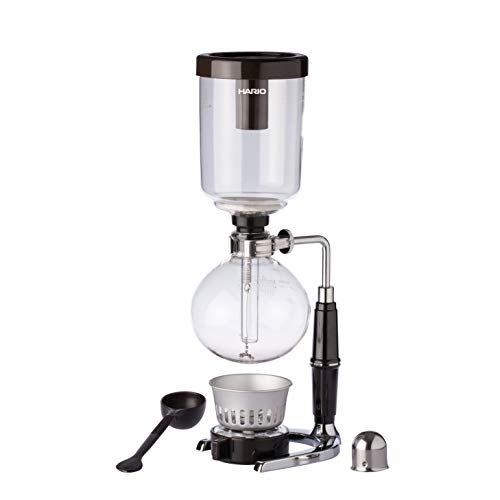
Percolation methods pass water through loose grounds once, by gravity or vapour, and filter the result through paper or cloth, which is why they make the cleanest cups on the page. Pour-over is the manual version: a cone or flat-bed dripper, a paper filter and a gooseneck kettle, brewed at about 1:17 with water near 200 to 205 F over about three minutes, per the recipes on our pour-over guide; the brewer guide chooses between V60, Kalita Wave and Chemex, the last of which uses thicker filters and a coarser grind for the cleanest cup of all. A drip machine automates the same brew for a pot, and the drip guide explains why brew temperature is the spec to buy on. The siphon is the theatrical relative: vapour pressure pushes water into the upper bowl, coffee steeps briefly, and a vacuum pulls it back through a cloth filter, covered on the siphon guide. Choose percolation when you want clarity: light roasts, single origins, anything whose origin character you want to taste.
Immersion: French press, AeroPress, cold brew and Turkish
Immersion methods steep the grounds in all of the water at once and then separate them, so contact time is set by the clock rather than the drain, which makes them the most forgiving family. The French press steeps coarse grounds four to six minutes at about 1:15 to 1:18 and presses a metal mesh through, leaving oils and some sediment for a full, heavy cup; the French press guide has the figures from two benchmark roasters. The AeroPress is a hybrid: a short immersion of medium-fine coffee at the maker's recommended 185 F, then a press through a paper filter, which produces a clean, concentrated cup in about two minutes and takes dilution well; the AeroPress guide gives the official recipe and the inverted method page gives the maker's warning about it. Cold brew steeps coarse coffee in cold water for hours rather than minutes, producing a low-acid concentrate to dilute over ice; the cold brew maker guide covers the pitchers and the cold brew vs espresso page the caffeine question. Turkish coffee is the oldest method on the page and the only unfiltered one: flour-fine coffee heated from cold in a cezve until it foams, poured grounds and all, and left to settle in the cup. Choose immersion for body and forgiveness; choose paper-filtered immersion, the AeroPress, when you want both forgiveness and a clean cup.
Which method should you choose?
One excellent cup, and you enjoy the ritual: pour-over. One good cup with no ritual and no machine: AeroPress — eight models, compared. A pot for the household: a drip machine with a stated brew temperature. Body and simplicity: French press. Strong and small without a machine: moka pot. Milk drinks and real espresso: an espresso machine and a grinder, which is the most expensive answer and the only one for that question. Summer, or low acidity: cold brew. Theatre for guests: the siphon. The oldest cup there is: Turkish.
Two things are true across all nine. Grind decides more than the brewer, so a burr grinder matched to the method's band, per the grind size chart, is the first upgrade for any of them. And the dose should be weighed: the ratio calculator gives every method's starting point in grams, and it is the difference between a recipe and a guess.
One verified brewer per method
The cards below are the reference brewer for each manual method in our verified catalog, plus the espresso machine that leads our award, so the page can be shopped from as well as read. Each is the item its method guide is written around; the espresso machine carries a published review score, and the manual brewers carry their listing's own statements rather than any test of ours. Turkish is now carded too, with a verified cezve; cold brew is not, because our catalog holds no verified pitcher yet and this page will not card an unverified one.
Verified products for this page
ℹ️
Affiliate disclosure: CoffeeLabAdvisor is an Amazon Associate and may earn a commission from these links, at no extra cost to you. Commissions play no part in what appears here — every product traces to a verified catalog entry or a published review.
One brewer per method from the verified catalog: the award-winning espresso machine with its published score, and seven manual brewers whose facts are their listings' own words.
$499.95Live Amazon price · as of 10/26/2026 8:04 PM
Semi-Automatic · Automatic milk The best entry-level espresso machine with an automatic steam wand: 3-second heat-up, 54mm group and excellent plant-milk support in a compact footprint. The ideal pick for milk-forward home drinkers.
$49.99Live Amazon price · as of 10/26/2026 9:43 PM
The household default - six espresso cups per brew. Listing states the iconic Italian stovetop espresso maker in natural silver aluminium, 6 espresso cups.
$39.95Live Amazon price · as of 10/26/2026 8:58 PM
The standard AeroPress every recipe on this page is written for. Listing states an all-in-one manual coffee maker - French press, pour-over and espresso style - with a 2-minute brew.
$47.03Live Amazon price · as of 10/26/2026 9:27 PM
Brewer and serving carafe in one piece - the table-service answer to the V60's single cup. Listing states a pour-over glass coffeemaker in non-porous borosilicate glass, using bonded filters, sediment-free.
The design icon of the category - the same glass brewing in the classic steel frame. Listing states the Bodum 34 oz Chambord French press in high-heat borosilicate glass with polished stainless steel, made in Portugal.
$94.50Live Amazon price · as of 10/26/2026 9:43 PM
The reference siphon - the brewer this page's method is written for. Listing states upper and lower bowls and burner in heat-resistant borosilicate glass, stainless stand and filter, brass fasteners, 5-cup / 600 ml capacity, imported from Japan.
$43.99Live Amazon price · as of 10/26/2026 10:34 PM
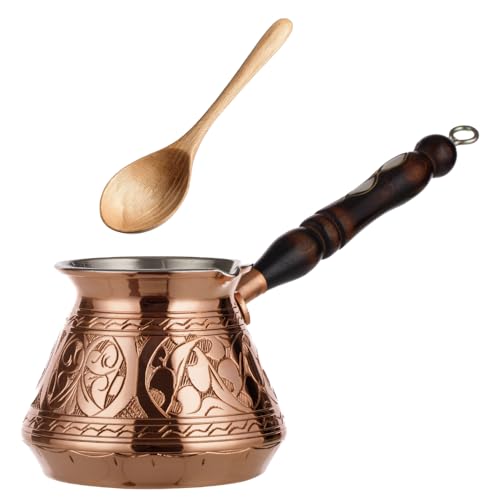
The traditional pot: copper for fast, even heat, tin-lined inside, and sized so the foam has room to climb. Listing states 1 mm thick copper with a wooden handle and a food-safe tin-lined interior, handmade and hand-engraved in Turkey, 9 fl oz for 3 Turkish coffee servings at 2 oz per cup, for gas and electric stovetops.
Three families. Pressure: espresso at about nine bar and the moka pot at one to two. Percolation: pour-over, drip machines, Chemex and the siphon, where water passes once through the grounds and a paper or cloth filter. Immersion: French press, AeroPress, cold brew and Turkish, where the grounds steep and are then separated or left to settle.
Which brewing method makes the best coffee?
The one that makes the cup you want. Paper-filtered percolation, pour-over above all, gives the cleanest, brightest cup and shows a light roast best; French press and moka give body and weight; espresso gives concentration and crema and is the only route to real milk drinks. Grind quality and dose matter more than the choice between good brewers.
What is the difference between immersion and pour-over?
Time control. Pour-over passes water through the grounds once, so grind and pour set the contact time and technique matters. Immersion steeps everything at once for a set time, so the clock sets contact and the method forgives. Pour-over is cleaner and brighter; immersion is fuller and easier.
What grind does each method need?
Grind tracks contact time: extra fine for Turkish, fine for espresso, fine to medium-fine for moka, medium-fine for AeroPress and V60, medium for drip and siphon, medium-coarse for Chemex, coarse for French press and cold brew. Our grind size chart maps every method to its band with the makers' own grinder settings.
Which brewing method is easiest for beginners?
A drip machine with a stated brew temperature for a pot, or an AeroPress for a cup: both are forgiving of technique and both make a clean cup. A French press is nearly as easy and gives more body. Pour-over rewards practice; espresso demands equipment and dialling in.
Which method has the most caffeine?
Per ounce, espresso; per serving, usually drip or cold brew, because the serving is larger. Roast level barely changes caffeine and brew method changes it mostly through dose and volume. Our espresso caffeine guide has the figures by shot, and the cold brew vs espresso page compares the two.
Do I need different equipment for each method?
Yes, but less than it sounds. A burr grinder that reaches the right band, a scale and a kettle serve every method; the brewer itself is the only method-specific piece, and the manual ones cost between fifteen and fifty dollars. Espresso is the exception, needing a machine and an espresso-capable grinder.
Sources for this page:
Espresso (9 bar, 1:2, 25 to 30 s), moka (1 to 2 bar, fill to the valve, off the heat at the gurgle), AeroPress (16 to 18 g, 185 F, No. 4 mark, ~2 min), pour-over (1:17, 200 to 205 F, ~3 min), French press (1:15 to 1:18, 205 F, coarse, 4 to 6 min), siphon and cold brew characteristics: the figures published on each of our method guides, each from a maker's instructions or a benchmark roaster's recipe as cited there · Drip standard (195 to 205 F; 55 g per litre): the SCA Golden Cup standard as documented on our ratio guide and drip guide · Grind bands per method: our grind size chart and its manufacturer sources · Product facts on every card: each item's own Amazon listing on its catalog read date; the espresso machine's score from its published review We have not lab-tested brewers; where a figure is a manufacturer's, the page names the manufacturer, and machine capabilities come from our own published review records.