Best Coffee Beans for Espresso: 10 Bags We Verified, and Which One Fits Your Setup
Best coffee beans for espresso: 10 bags, every fact checked against its own listing - award winner, Italian crema blends, light roast, decaf and pre-ground.
6 facts, each with a source below10 questions answered10 verified products
In milk, the classic Italian cup: Lavazza Super Crema or Crema e Gusto, where the robusta share builds crema and body. A balanced straight shot: Counter Culture Big Trouble, which leads our Best Coffee Beans award, or illy Classico and Kicking Horse Cliff Hanger. Espresso that tastes of fruit: Intelligentsia Black Cat, if your grinder is up to it. Decaf: Lavazza DEK. No grinder yet: one of the three pre-ground tins.
The honest part, because it changes what you should shop for: there is no such thing as an espresso bean. There are beans roasted and blended to behave well under nine bars of pressure — usually a medium to medium-dark roast that extracts readily at a 1:2 ratio, often a blend for consistency, sometimes with robusta for body and crema, and always fresh enough that the puck still has gas to give. Every fact below is the bag's own listing statement, not a tasting note; we have not tasted these coffees.
Roast levelTraditionally medium-dark to dark; specialty light-roast espresso exists and is harder to pull
Blend or single originBlends for consistency and balance; single origins for character, at the cost of forgiveness
RobustaAdds body, crema and caffeine in traditional Italian blends; absent from most specialty espresso
FreshnessLook for a roast date; espresso is the method most sensitive to stale or too-fresh coffee
GrindFine, and adjusted per bag - the grinder decides more than the beans do
Our awardCounter Culture Big Trouble leads the Best Coffee Beans 2026 award on a published rubric
Whole bean in one basket, espresso grind in the other: the bag decides the first, the grinder decides the second. Photo: Zarak Khan / Unsplash
Verified products for this page
ℹ️
Affiliate disclosure: CoffeeLabAdvisor is an Amazon Associate and may earn a commission from these links, at no extra cost to you. Commissions play no part in what appears here — every product traces to a verified catalog entry or a published review.
10 bags from our verified catalog. Seven are whole bean and three are pre-ground, which each card states on its own face. The award winner, Counter Culture Big Trouble, is carded with its scorecard on the award page linked above. Every product fact is the listing's own statement; we have not tasted these coffees.
Robusta in the blend
Lavazza
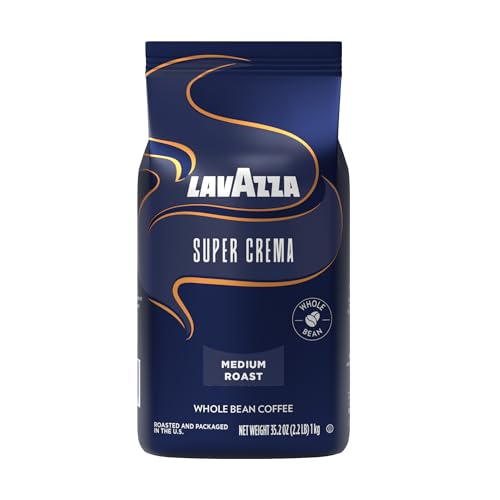
Super Crema
$26.99Live Amazon price · as of 10/26/2026 9:25 PM
Taste what the species section says robusta contributes - body and crema in a traditional Italian-style espresso blend. Also on our 10-best roster. Listing states a medium espresso roast blend of arabica and robusta beans from 15 coffee-growing countries, 2.2 lb whole bean.
$25.99Live Amazon price · as of 10/26/2026 9:59 PM
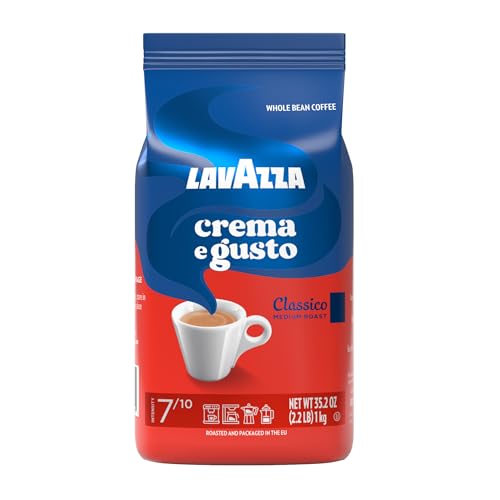
The robusta case in one bag: a full-bodied blend the listing positions for espresso first. Listing states a medium roast arabica and robusta blend at 7/10 intensity, sourced from South America and Southeast Asia, ideal for espresso machines, moka pot, drip or French press, in a 2.2 lb bag.
$13.19Live Amazon price · as of 10/26/2026 9:25 PM
The reference Italian espresso can: a single signature blend, medium roast, 100% arabica. Listing states a medium roast, 100% arabica whole bean coffee with notes of caramel, orange blossom and jasmine, no preservatives, in an 8.8 oz can.
$36.99Live Amazon price · as of 10/26/2026 8:44 PM
A certified organic, Fairtrade espresso roast in the large bag that makes daily espresso economical. Listing states a medium roast whole bean espresso, certified organic, Fairtrade and kosher, shade grown arabica from Indonesia and Central and South America, in a 2.2 lb bag.
$14.99Live Amazon price · as of 10/26/2026 8:28 PM
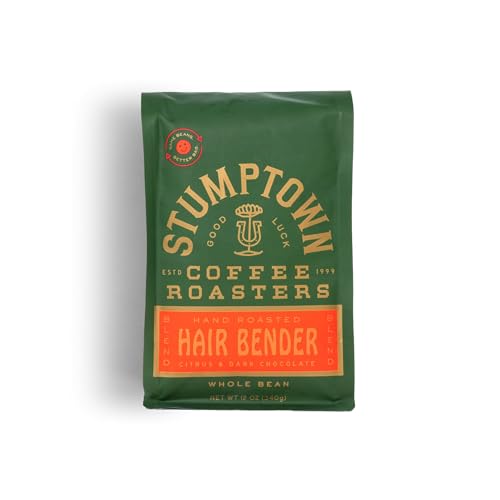
The medium middle ground: balance over brightness, from the blend that helped take specialty coffee mainstream - also on our 10-best roster. Listing states medium roast, 100% arabica, 12 oz whole bean, blending Latin American, Indonesian and African coffees.
$14.27Live Amazon price · as of 10/26/2026 9:59 PM
The counter-example to dark-roast espresso: a specialty espresso blend the listing labels light roast, with a published brew ratio. Listing states a light roast whole bean espresso blend, Direct Trade sourced, with a fine grind recommended for espresso and a finished shot weighing 2.5 times the coffee dose, in a 12 oz bag.
$17.99Live Amazon price · as of 10/26/2026 9:09 PM
The decaf to put in an espresso machine, from the blend house whose Super Crema is on our roster. Listing states a 1.1 lb bag of decaffeinated Italian whole beans, an arabica and robusta blend, decaffeinated using a natural process, blended and roasted in Italy, and best used with an espresso machine.
The Latin cafecito grind - dark, fine, and the cheapest way to try a pressurised basket. Listing states a 10 oz can of espresso-style dark roast ground coffee, made since 1928, described as standing up to milk and sugar and suited to hot or cold brewing by any method.
$12.74Live Amazon price · as of 10/26/2026 8:44 PM
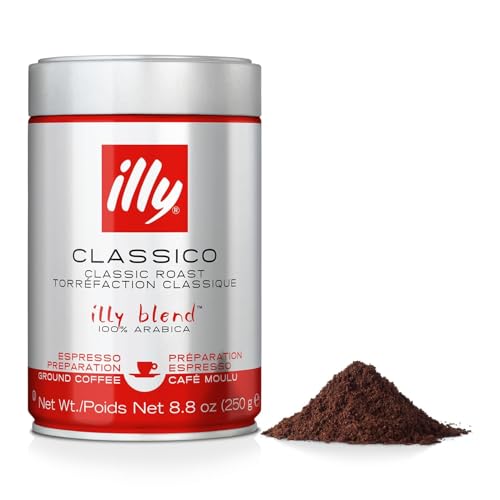
The Italian benchmark pre-ground for espresso - the same Classico blend as the whole bean, ground for a machine. Listing states a medium roast of 100 percent sustainably grown arabica, ground for espresso, in an 8.8 oz can.
$9.49Live Amazon price · as of 10/27/2026 12:31 AM
Lavazza's 100 percent arabica espresso grind in the small can. Listing states an 8.8 oz can of non-GMO 100 percent arabica ground coffee, blended and roasted in Italy, best used with an espresso machine or moka pot and also suited to drip and French press.
The bag at the top holds its place through a published award; the rest are listed by roast profile, from the classic Italian end to the specialty light end, and their positions are descriptive, not a ranking.
Bag
Roast, per its listing
Blend
Why it is here
Counter Culture Big Trouble
Medium-dark
Blend
Leads our Best Coffee Beans award on a published rubric; the roaster describes it as its espresso-friendly comfort blend
Lavazza Super Crema
Medium espresso roast
Arabica and robusta
The traditional Italian crema blend, on our ten-bag roster
Lavazza Crema e Gusto
Medium, intensity 7/10
Arabica and robusta
The bolder Lavazza espresso blend, listing-positioned for espresso, moka, drip or French press
illy Classico
Medium
100% arabica blend
The single signature Italian blend in the pressurised can
Kicking Horse Cliff Hanger Espresso
Medium
Arabica blend
Certified organic and Fairtrade espresso roast in the economical 2.2 lb bag
Stumptown Hair Bender
Medium
Arabica blend
The blend that helped take specialty espresso mainstream; on our roster
Intelligentsia Black Cat Classic Espresso
Light
Direct Trade blend
The light-roast espresso case, with the roaster's own 1:2.5 brew guidance
Lavazza DEK Decaffeinated
Italian roast, whole bean
Arabica and robusta
The decaf case: its listing states a natural decaffeination process and that it is best used with an espresso machine
If you do not own a grinder yet
These three are pre-ground, which is a different product from everything above and not what most people mean by beans. They are here because the alternative for someone without a grinder is not a better bag, it is a worse one ground in a blade mill. Ground coffee loses its gas in days rather than weeks, so buy the smallest tin you will finish, and treat these as the thing you use until the grinder arrives.
Tin
Roast, per its listing
What the listing claims
illy Classico Ground Espresso
Medium
100% sustainably grown arabica, ground for espresso, 8.8 oz can — the same Classico blend as the whole bean above
Lavazza Caffe Espresso Ground
Blended and roasted in Italy
8.8 oz can, non-GMO 100% arabica; the listing says espresso machine or moka pot, and also drip and French press
Cafe Bustelo Espresso Style Dark Roast
Dark, espresso style
10 oz can; the listing describes it as standing up to milk and sugar and suited to hot or cold brewing by any method — it is an espresso-style grind, not an espresso-only coffee
Every fact in both tables comes from the bag's own listing, read through the Amazon catalog interface on the date in the sources. The cards above carry live prices; the award page carries the winner's full scorecard. We have not tasted these coffees, and nothing here is a tasting note.
Which one should you buy?
For the classic Italian cup, especially in milk: Super Crema or Crema e Gusto. The robusta share gives the body and crema that a cappuccino or latte wants, and both blends are forgiving to dial in on an entry machine. For a balanced straight shot from a machine with a built-in grinder: Big Trouble, Cliff Hanger or illy Classico; all three are medium roasts that extract readily at 1:2 without demanding the finest settings. For espresso that tastes of fruit: Black Cat, with a capable grinder, adjustable temperature if you have it, and the patience for a longer ratio. For the most espresso per dollar: the two 2.2 lb bags, Crema e Gusto and Cliff Hanger, provided you pull enough shots to finish them while they are fresh. For decaf: Lavazza DEK, which is the only bag here whose listing states both a decaffeination process and espresso-machine use. If the grinder has not arrived yet: one of the three pre-ground tins, in the smallest size you can buy.
Whatever the bag, the grinder decides more of the shot than the beans do. A medium-dark blend through a proper espresso grinder beats a light-roast specialty bag through a blade grinder every time; the grinder pairing tool matches a grinder to your machine, and the grind size chart gives the fine-band starting point for each bag.
What espresso beans are, and are not
A bag labelled espresso contains the same species of coffee as a bag labelled breakfast blend. The label describes intent, not botany: the roaster chose a roast level and a blend that behave well when hot water is forced through a tightly packed, finely ground puck at around nine bars of pressure for twenty-five to thirty seconds. That method is brutally efficient at extraction and brutally unforgiving of the wrong coffee. A bean that would make a pleasant drip cup can come out of a portafilter sour, thin and hollow; a bean that is glorious as espresso can taste flat and heavy in a pour-over.
So the question is not which beans are espresso beans but which beans behave well as espresso. Four properties decide it, and they are the sections of this page: roast level, blend versus single origin, whether the blend includes robusta, and freshness. Grind is the fifth, and it belongs to the grinder rather than the bag; a superb espresso roast through a blade grinder is a superb roast wasted, which is why every espresso page on this site ends up at the espresso grinder guide.
One more thing this page is not: a tasting. We have not cupped or pulled these coffees. The bag at the top of the list holds its place through our Best Coffee Beans award, decided on a published six-dimension rubric with a verifiable certificate; every other bag is here because its own listing describes an espresso roast and the facts on its card are the listing's words. Where we rank, we say why; where we do not, the bags are listed by roast profile, not by preference.
Roast level: why espresso leans dark, and when it does not
Pressure extraction favours darker roasts for a mechanical reason. A bean roasted past second crack is brittle, porous and less dense; it grinds easily to a fine, even particle and gives up its solubles readily, so a 25-second shot extracts fully and tastes balanced. The roast has also converted much of the bean's acidity into the caramelised, chocolate-and-toast sweetness that milk drinks are built on. That is the traditional Italian espresso: medium-dark to dark, forgiving to dial in, heavy-bodied, low in acidity.
A light roast, stopped near first crack, is the opposite bean: dense, hard, full of the acids and aromatics that make a pour-over sing. Under pressure it under-extracts easily and tastes sour until the grind is fine enough and the temperature high enough to reach it, and even then it needs a longer ratio; Intelligentsia's light-roast Black Cat, carded below, publishes a shot at 2.5 times the coffee dose against the classic 1:2. The reward is espresso that tastes of fruit rather than chocolate. Our light roast guide covers the brewing adjustments in full.
For most home machines the honest advice is to start medium-dark. Entry-level machines with fixed brew temperatures and built-in grinders with limited fine adjustment — our reviews record both limitations on the Barista Express, for instance — dial in a medium-dark blend in a morning and fight a light roast for a week. Move lighter when the machine and the grinder can follow.
Both ends of the spectrum pull espresso. The traditional Italian band and the specialty band overlap, and neither one makes a bean an espresso bean.
Surface tells you nearly as much as colour. A matte bean sits on the lighter side; a bean that has started to shine has been taken further, and a very oily one will clog a grinder before it ruins a shot. Photo: Alin Luna / Unsplash
Blends, robusta and crema
Most espresso bags are blends, and the reason is consistency. A single-origin coffee changes with the harvest; a blend is rebalanced across the year so the shot tastes the same in March as in October, which matters more for a drink pulled at 1:2 than for a drip pot. Intelligentsia's listing says as much about its own blend, noting that the components change through the year to keep the profile consistent. Single-origin espresso is a specialty pursuit: more character, less margin for error, and a new dial-in with every bag.
Then there is robusta. Traditional Italian blends often include a share of Coffea canephora alongside arabica, and the espresso reasons are specific: robusta carries roughly twice the caffeine of arabica, extracts with more body, and produces a thicker, longer-lasting crema. It also tastes harsher and more bitter, which the roast and the blend are designed to manage. Lavazza's Crema e Gusto, carded below, is the transparent example: its listing states an arabica and robusta blend at an intensity of seven out of ten, positioned for espresso first. Most specialty espresso is 100 percent arabica and accepts a thinner crema for a cleaner cup; our 100% arabica guide explains what the label does and does not promise, and the crema guide explains why a thick crema is not, by itself, a mark of quality.
Crema is carbon dioxide from a fresh roast held in an emulsion. Robusta produces more of it, which is why traditional Italian blends include it.
Nine bars forgives less than a filter does, which is why roast level and freshness matter more here than in any other method. Photo: Jakub Żerdzicki / Unsplash
Freshness: the roast date matters more here than anywhere
Espresso is the method most sensitive to the age of the coffee, in both directions. Freshly roasted beans are full of carbon dioxide; under nine bars that gas turns the puck into a fizzing, channelling mess and the shot into a fast, sour gusher, which is why roasters and baristas rest espresso for days after roasting before it settles. Old coffee has the opposite problem: the gas is gone, the puck offers little resistance, the crema is thin and the shot tastes flat and papery. Between the two is the window where a bag behaves, and the only way to know where a bag sits is a roast date.
That is the first thing to look for on any espresso bag, and its absence is the first thing to hold against one. A best-before date tells you nothing useful; a roast date tells you everything. Our roaster guide explains the freshness-date trap in detail. Two practical corollaries: buy espresso in bags you will finish within a few weeks rather than the large economy bag, unless you pull several shots a day; and store the bag sealed, cool and dark, never in the freezer door where it gets a temperature swing twice a day. The ten-bag roster records which of our catalog's roasters print roast dates.
The usable window runs from roughly day four to day twenty-one. Days are indicative, not a standard: roast level, bean density and storage all move them.
Sealing slows the loss; clear glass does nothing about light. The bigger win is simply buying whole bean, which holds its gas for weeks where ground coffee holds it for days. Photo: Clint Bustrillos / Unsplash
Dialling in a new bag
Every new espresso bag needs dialling in, and the routine is the same regardless of which one you chose. Dose the basket to the weight its size is designed for — our portafilter size chart lists it per machine — and aim for a shot that weighs twice the dose in about 25 to 30 seconds. If the shot runs fast and tastes sour, grind finer; if it chokes and tastes bitter, grind coarser; change one variable at a time. A light-roast bag will want a finer grind and a longer ratio than the dark bag it replaced, and a fresh bag will run faster than the last cup of the old one. Rest a freshly roasted bag several days before judging it. And if nothing responds to the grind, check the basket first: a dual-wall basket manufactures its own crema and hides everything the grind is doing, as our troubleshooting guide explains.
Whatever the bag, the grinder decides more of the shot than the beans do, and espresso asks more of a grinder than any other method. Photo: Nathan Dumlao / UnsplashThis is a medium grind, with the particles still visibly distinct. Espresso sits far finer than this, and the setting moves again with every new bag. Photo: Yohan Marion / Unsplash
Frequently asked questions
What coffee beans are best for espresso?
Beans roasted and blended to extract well under pressure: usually a medium to medium-dark roast, often a blend for consistency, sometimes with robusta for body and crema, and always fresh enough to carry a roast date. The bag that leads our Best Coffee Beans award, Counter Culture Big Trouble, is a medium-dark blend; six other verified espresso roasts are compared on this page.
Is there a difference between espresso beans and regular coffee beans?
Not in the bean itself. Espresso on a label describes a roast level and blend chosen to behave under nine bars of pressure, not a different species or plant. The same beans could be sold as a drip blend at a lighter roast. What differs is how forgiving the bag is in a portafilter, which is what this page sorts out.
Should espresso beans be dark roast?
Traditionally yes, and for a mechanical reason: darker beans are brittle, porous and easy to extract, so a 25-second shot comes out balanced. Specialty roasters now sell light-roast espresso too, but it demands a finer grind, hotter water and a longer ratio. Start medium-dark on an entry machine and move lighter when the grinder can follow.
Do I need robusta for good crema?
No, but it helps. Robusta produces a thicker, longer-lasting crema and more body, which is why traditional Italian blends include it; 100 percent arabica espresso has a thinner crema and a cleaner cup. Crema thickness is not a quality measure on its own, and freshness affects it more than species does.
How fresh should coffee be for espresso?
Fresh enough to carry a roast date, rested long enough to have released its first rush of carbon dioxide. Very fresh coffee gushes and channels under pressure; old coffee runs flat with thin crema. Buy bags you will finish within a few weeks, store them sealed and cool, and let a new bag rest a few days before judging it.
Can I use espresso beans in a drip coffee maker?
Yes. An espresso roast is simply a medium-dark or dark roast, and it makes a heavy, low-acidity drip cup that many people prefer. Grind it medium for the filter basket rather than fine; several of the bags on this page state on their listings that they suit drip and French press as well as espresso.
Are the beans on this page chosen because they earn commission?
No. The winner is our published award, decided on a rubric before any commercial consideration; the six other bags qualify because their own listings describe espresso roasts and their facts were verified. Affiliate links fund the site and never influence what appears here; the editorial standards page explains how that separation is enforced.
Can I use any coffee beans for espresso?
Yes. Any roasted coffee can be pulled as espresso, because espresso is a brewing method and not a type of bean. What changes between bags is how forgiving they are: a medium to medium-dark roast dissolves readily and tolerates a slightly off grind, while a light roast needs a finer grind, hotter water and more attention. A bag labelled espresso is telling you the roaster aimed it at that method, not that the beans are a different species.
What grind size do espresso beans need?
Fine, and re-set for every new bag. Espresso sits at the fine end of the range, well short of powder, and the correct setting shifts with roast level, bean density and how long ago the coffee was roasted. This is why the grinder matters more than the bag: a grinder that cannot hold a consistent fine setting will not pull a good shot from any coffee on this page.
Is pre-ground coffee any good for espresso?
It works, and it is a real step down. Ground coffee loses its gas within days rather than weeks, so crema thins and the shot flattens faster than it would from whole bean. Three pre-ground tins are listed on this page because the realistic alternative for someone without a grinder is a blade mill, which is worse. Buy the smallest tin you will finish.
Sources for this page:
Award standing (winner and honorable mentions): our Best Coffee Beans 2026 award register, and the award page's published scorecard · Robusta caffeine (roughly twice arabica) and species roles: our 100% arabica guide's sources (USDA and Wikipedia's Coffea entries), read for that page 2026-08-27 · Roast mechanics (first and second crack, density, mass loss): Wikipedia's Coffee roasting entry, read 2026-09-07 · Light-roast espresso ratio and blend seasonality: Intelligentsia's own copy on the verified Black Cat Classic Espresso listing B0055ZRUOO; robusta blend and intensity: Lavazza's copy on listing B082VXLF3H; all other product facts from each bag's own listing, read 2026-09-07 We have not lab-tested brewers; where a figure is a manufacturer's, the page names the manufacturer, and machine capabilities come from our own published review records.