

🏆 2026 Best Bean-to-Cup Machine winner
Jura Z10
Bean-to-Cup · Automatic milk · Plant milk 5/5
$3,999.00Live Amazon price · as of 10/26/2026 8:35 PM
Buy on Amazon →Home › Coffee Drinks › Macchiato
☕ Coffee Drinks · 2026A macchiato is an espresso 'marked' with a small spoonful of milk foam — nearly all coffee, barely any milk. What the traditional drink is.
A traditional macchiato (in full, espresso macchiato) is a shot of espresso marked with a small spoonful of milk foam — macchiato is Italian for “stained” or “marked”. It is nearly all coffee: the foam tempers the first sip, it does not dilute the drink. If you were expecting a tall, sweet, caramel-striped drink, that is a coffee-chain invention that borrowed the name — a different drink covered below.
The drink is defined by its proportions, and they are the reverse of every milk drink on the menu: espresso first, and just enough foamed milk to mark the surface — commonly described as a teaspoon or two. The point of the milk is functional. It softens the first, most intense sip of the shot without turning the drink into a milk beverage, which is why the macchiato sits between a straight espresso and a cappuccino on any traditional menu.
Because the milk is a garnish rather than an ingredient, the macchiato rises and falls entirely on the espresso underneath it. There is nowhere for a sour or bitter shot to hide.
A latte macchiato reverses the recipe: it is a glass of steamed milk marked by a shot of espresso poured into it — Italian for “stained milk” rather than stained coffee. The espresso enters last, layering through the milk. Order “a macchiato” in a café that takes the Italian names seriously and you get the small espresso drink; order it somewhere that doesn't and you may get the tall milk one. The word alone does not tell you which is coming — the size of the cup does.
The caramel macchiato popularised by large chains is a flavoured latte — milk, syrup, espresso and sauce in a tall cup. It borrowed the name from the layering idea (the espresso marks the top of the milk) and is closer to a dessert latte than to either traditional drink. This is not a judgement, just a taxonomy: if that is the drink you want, it is a latte variant, and any machine that makes lattes makes it.
A macchiato needs exactly two things: a shot of espresso and a small amount of foamed milk. Pull the shot as you normally would — our shot size guide covers what a single and double actually are — then spoon a dollop of foam on top. Any machine with a steam wand can produce the foam; machines with automatic milk systems will make far more foam than the drink needs, so spoon from the jug rather than pouring.
A macchiato needs espresso plus a little foam, so any machine below works — each has a published review, and the steam system is named on its card.
Bean-to-Cup · Automatic milk · Plant milk 5/5

Semi-Automatic · Automatic milk · Plant milk 5/5

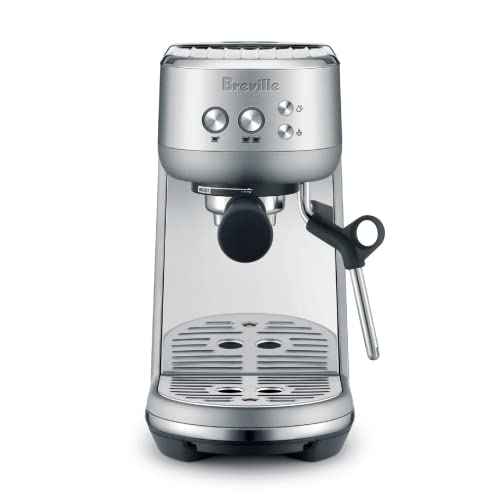
Semi-Automatic · Manual milk · Plant milk 4/5
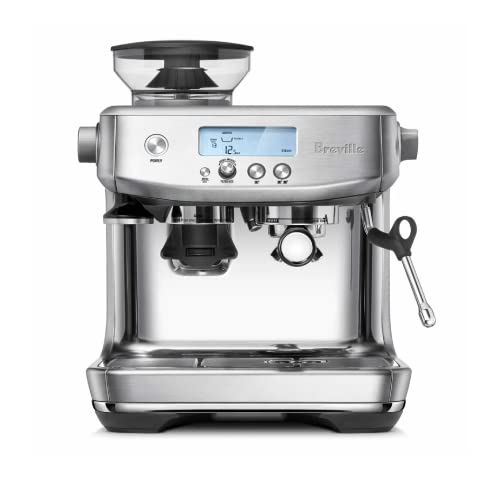
Semi-Automatic · Manual milk · Plant milk 4/5

Bean-to-Cup · Automatic milk · Plant milk 4/5
A shot of espresso and a small spoonful of milk foam — that is the whole traditional drink. It contains far less milk than a latte, cappuccino or cortado, and no syrup or sauce unless a menu has renamed a flavoured latte.
It is Italian for “stained” or “marked”. An espresso macchiato is espresso marked with milk foam; a latte macchiato is milk marked with espresso. The two drinks share a word and reverse the recipe.
It tastes far more of the espresso, because a traditional macchiato is nearly all espresso while a latte is mostly steamed milk. The espresso in the cup can be identical; what changes is how much milk surrounds it.
Both are small espresso-and-milk drinks. The traditional macchiato takes only a spoonful of foam; a cortado takes roughly equal espresso and steamed milk. If you want milk to be an ingredient rather than a garnish, the cortado is the closer drink.
The chain drink is a flavoured latte that borrowed the name for its layering — espresso poured over milk. The traditional espresso macchiato is a small, strong drink served in an espresso cup. Both exist; they are simply different drinks with one name.
Sources for this page: Definition and etymology (“stained/marked”; espresso marked with milk foam): Trade Coffee's espresso drinks glossary, MasterClass's macchiato-vs-latte explainer, and L'OR's macchiato guide, read 2026-09-01 · Latte macchiato as “stained milk”, espresso poured into milk: Wikipedia's Latte macchiato entry, corroborated by the same glossaries, read 2026-09-01 We have not measured drinks in a lab; where volumes differ between authorities, the page names each authority rather than averaging them, and machine capabilities come from our own published review records.
Feedback on this page: What Is a Macchiato? The Traditional Drink (2026)
Thank you. Your note is filed against this page and will be read.