

🏆 2026 Best Bean-to-Cup Machine winner
Jura Z10
Bean-to-Cup · Automatic milk · Plant milk 5/5
$3,999.00Live Amazon price · as of 10/26/2026 8:35 PM
Buy on Amazon →Home › Coffee Drinks › Cappuccino
☕ Coffee Drinks · 2026A cappuccino is espresso with steamed milk and a deep foam layer — the certified Italian definition is 25 ml espresso plus 100 ml of milk steamed to 55°C.
A cappuccino is espresso topped with steamed milk and a substantial layer of milk foam, served small. There is even a certified benchmark: the Italian Espresso National Institute defines its certified cappuccino as 25 ml of espresso with 100 ml of milk steamed to 55°C, roughly 125 ml in a 150–160 ml cup. Home versions vary around that — the constant is a real foam cap over a small, espresso-forward drink.
Two descriptions of the same drink circulate. The café shorthand says a cappuccino is thirds — one part espresso, one steamed milk, one foam. The certified Italian definition is more precise: 25 ml of espresso, 100 ml of fresh milk steamed to 55°C, landing around 125 ml in the cup. The shorthand overweights the espresso; the certified version is the better target if you are dialling a machine, and it is the one with a source behind it.
1. Pull the shot first or steam first? On single-boiler machines you cannot do both at once — pull the shot, then steam (the wait between them is a documented limitation of that architecture, not your technique). Dual boilers and bean-to-cup machines do both together.
2. Steam to a fine microfoam. Stretch the milk early with the wand tip near the surface, then submerge to spin and heat. The 55°C certified target is cooler than most people expect — past roughly 65°C milk sweetness degrades, which is why automatic systems stop earlier than instinct would.
3. Pour into the shot, holding foam back briefly so steamed milk enters first, then letting the cap settle on top. In a 150–160 ml cup there is no room to hide a bad shot or thin foam — which is the drink's whole appeal.
Plant milks foam differently — barista formulations hold a cap far better than standard cartons. This site publishes a plant-milk suitability rating (1–5) for the machines we review, scored per machine and shown on each review page; the machines below carry theirs on the card, so if oat cappuccinos are the goal you can pick accordingly.
Cappuccino: small cup, deep foam cap, espresso-forward. Latte: larger cup, much more steamed milk, thin foam. Flat white: latte-family drink, smaller and with finer microfoam. The espresso underneath can be identical in all three; cup size and milk treatment define the drink.
Every machine below steams milk and has a published review — cards show the steam system and, where scored, the plant-milk rating.
Bean-to-Cup · Automatic milk · Plant milk 5/5

Semi-Automatic · Automatic milk · Plant milk 5/5

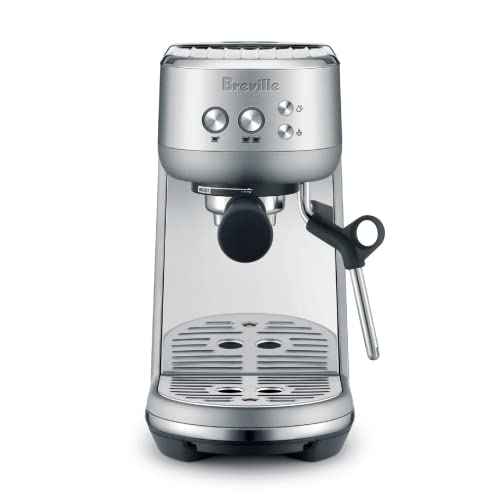
Semi-Automatic · Manual milk · Plant milk 4/5
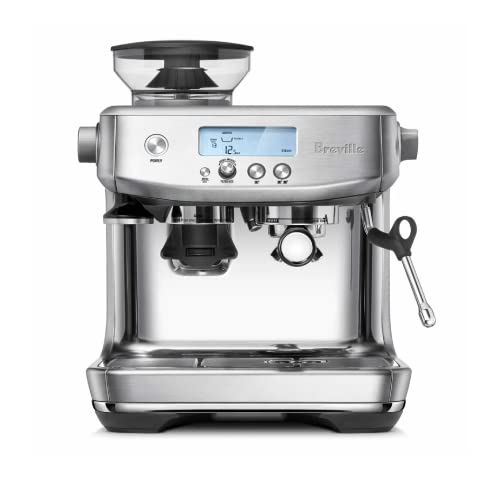
Semi-Automatic · Manual milk · Plant milk 4/5

Bean-to-Cup · Automatic milk · Plant milk 4/5
The certified Italian definition is 25 ml espresso to 100 ml steamed milk (about 125 ml total); the common café shorthand is equal thirds of espresso, steamed milk and foam. The certified figure is the better machine-dialling target.
Size and milk. A cappuccino is a small drink with a deep foam layer; a latte is larger, with far more steamed milk and only a thin foam cap. The shot underneath can be the same.
The certified Italian standard steams milk to 55°C — cooler than most home instinct. Overheating past roughly 65°C costs sweetness and texture, which is why automatic milk systems stop early.
Yes — barista-formulation oat milks foam well enough for a proper cap. Machines differ in how well their milk systems handle plant milk; our reviews publish a per-machine plant-milk rating for exactly this question.
You can approximate one with strong brewed coffee and frothed milk, but without pressure-brewed espresso and true steamed microfoam it is closer to a café au lait with foam. The espresso machine is what makes the drink itself.
Exactly as the steps above: a shot of espresso, milk steamed with more air than a latte takes, and the thick foam cap spooned or poured to finish. Making cappuccino at home is a steaming skill more than a recipe - the machine list below covers reviewed options with capable steam.
Sources for this page: Certified cappuccino (25 ml espresso + 100 ml milk at 55°C, ~125 ml in a 150–160 ml cup): the Italian Espresso National Institute's published certification (iei.coffee and INEI institutional documentation), read 2026-09-01, corroborated by Wikipedia's Cappuccino entry · Single-boiler brew/steam wait as machine architecture: our own published review records (e.g. the Barista Express's documented limitation) · Plant-milk ratings: CoffeeLab's own documented 1–5 suitability scoring, published on our review pages We have not measured drinks in a lab; where volumes differ between authorities, the page names each authority rather than averaging them, and machine capabilities come from our own published review records.
Feedback on this page: How to Make a Cappuccino: Ratio, 55°C Milk & Steps (2026)
Thank you. Your note is filed against this page and will be read.