

🏆 2026 Best Bean-to-Cup Machine winner
Jura Z10
Bean-to-Cup · Automatic milk
$3,999.00Live Amazon price · as of 10/26/2026 8:35 PM
Buy on Amazon →Home › Coffee Drinks › Cold brew vs espresso
🧊 Coffee Drinks · 2026Espresso is a pressurised hot extraction measured in seconds; cold brew is a long cold steep measured in hours. How the two differ in caffeine per ounce.
Espresso and cold brew are different brewing methods, not strength settings. Espresso forces hot water through fine grounds under pressure in under a minute; cold brew steeps coarse grounds in cold water for many hours (commonly cited at 12–24). Per ounce, espresso carries far more caffeine — USDA figures put a 1 oz shot around 63 mg, while cold brew is commonly cited near 12–13 mg per ounce — but a large glass of cold brew can still out-caffeinate a single shot. A menu's “cold brew espresso” is usually either espresso served cold or a concentrated cold brew, not a third brewing method.
| Espresso | Cold brew | |
|---|---|---|
| Water | Hot, under pressure | Cold or room temperature |
| Time | ~25–30 seconds | Commonly 12–24 hours |
| Grind | Fine | Coarse |
| Result | ~1–2 oz concentrated shot with crema | Smooth, low-acid concentrate or ready-to-drink |
| Equipment | Espresso machine | Any steeping vessel — no machine |
Because the water, time, grind and pressure all differ, the two drinks extract differently — which is why neither is simply a stronger version of the other. Grind is covered per method on our grind size chart.
If the cold side wins you over, the equipment is refreshingly cheap: our cold brew maker guide covers the three formats and the coarse grind the method needs.
Per ounce, espresso wins by a wide margin: USDA FoodData Central puts a 1 fl oz shot around 63 mg, while cold brew is commonly cited near 12–13 mg per ounce. Per serving, the picture flips — nobody drinks 16 oz of espresso, and a pint of cold brew can carry more total caffeine than a single or even double shot. Concentrates complicate it further: undiluted cold brew concentrate is much stronger per ounce than the diluted glass it becomes. The full shot-by-shot numbers, sourced to USDA figures, are in our espresso caffeine guide.
There is no third brewing method behind the phrase. In practice it names one of two things: espresso served cold (pulled hot, then iced or shaken), or a cold brew made strong enough to play espresso's role in milk drinks. If the distinction matters to you — for caffeine, acidity or flavour — ask which one the counter means; the two are different drinks.
Cold brew needs no machine at all — any vessel and time will do. The machines below make the espresso side of the comparison, each with a published review.
Bean-to-Cup · Automatic milk

Semi-Automatic · Automatic milk

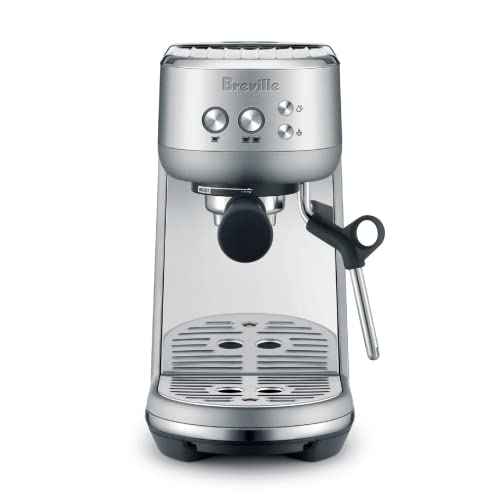
Semi-Automatic · Manual milk
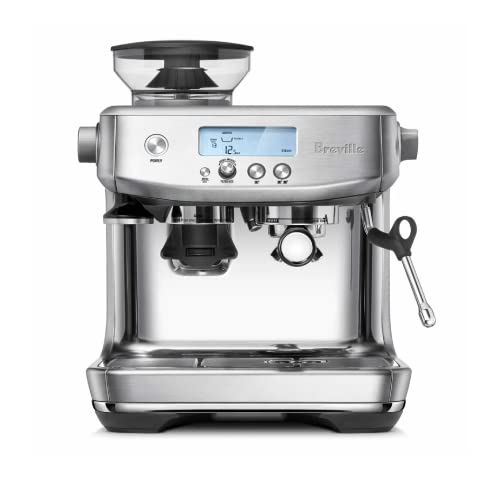
Semi-Automatic · Manual milk

Per ounce, no — espresso carries several times the caffeine (USDA puts a 1 oz shot around 63 mg; cold brew is commonly cited near 12–13 mg per ounce). Per glass, a large cold brew can exceed a shot's total caffeine. 'Stronger' needs a unit to mean anything.
No. Espresso is a hot, pressurised, seconds-long extraction; cold brew is an hours-long cold steep of coarse grounds. Chilled espresso over ice is iced espresso, not cold brew.
Usually either espresso served cold, or a concentrated cold brew standing in for espresso in milk drinks. It is a menu phrase, not a brewing method — ask which the café means if it matters to you.
Not really — cold brew is defined by the long cold steep, which no espresso machine performs. What a machine can make is iced espresso drinks: a normal shot over ice or cold milk.
Fine for espresso, coarse for cold brew — the two ends of the everyday grind range. Our grind size chart covers both bands with the brewers that use them.
Sources for this page: Method definitions and steep times: Breville's own cold-brew-vs-espresso explainer and Wikipedia's Espresso entry, read 2026-09-02 · Caffeine figures: USDA FoodData Central for espresso (~63 mg per 1 fl oz shot); the ~12–13 mg/oz cold brew figure is the commonly cited range across comparison sources and is presented as such, read 2026-09-02 We have not measured drinks in a lab; where volumes differ between authorities, the page names each authority rather than averaging them, and machine capabilities come from our own published review records.
Feedback on this page: Cold Brew vs Espresso: Caffeine and Strength (2026)
Thank you. Your note is filed against this page and will be read.