
🏆 2026 Best Bean-to-Cup Machine winner
Jura Z10
Bean-to-Cup · Automatic milk
$4,151.40Live Amazon price · as of 09/25/2026 12:32 AM
Buy on Amazon →Home › Coffee Drinks › Shaken espresso
☕ Coffee Drinks · 2026A shaken espresso is espresso shaken hard with ice, poured over fresh ice and usually topped with cold milk. What the shaking does, the method, and the brown sugar version.
Written and reviewed by the CoffeeLabAdvisor editorial team · Published 24 September 2026
A shaken espresso is espresso shaken hard with ice, then poured over fresh ice — usually with a little syrup, and often finished with cold milk. The shaking is the entire point. It chills the shot in about twenty seconds and beats air into it, so the drink arrives cold with a fine foam head instead of the flat, half-melted thing you get by pouring hot espresso straight onto ice. The idea is Italian: a shakerato is espresso and sugar shaken with ice in a cocktail shaker and strained into a glass. The café version keeps the shake and adds milk and a flavoured syrup, most often brown sugar. No steam wand is involved, which is why it is one of the few café drinks that a machine without a milk system can make properly.
Strip away the menu names and a shaken espresso is three things in a sealed container: hot espresso, ice, and about twenty seconds of effort. You shake until the outside of the shaker is too cold to hold comfortably, then strain the result over fresh ice. That is the drink. Everything else — the syrup, the splash of milk, the oat milk, the cinnamon on top — is decoration on that one technique.
The technique is not new and it is not American. The Italian shakerato does the same thing with espresso and simple syrup, shaken with ice and strained once it turns frothy, and it is traditionally served in a martini glass with no milk at all. The coffee-shop version most people order today is that drink with cold milk poured over it and a flavoured syrup in place of plain sugar.
What makes it worth knowing at home is the equipment it does not need. There is no steaming, no microfoam, no latte art, no milk thermometer. If your machine pulls a shot, you can make this properly on the first try — which is not true of a flat white or a cappuccino.
Pour a hot double shot over a glass of ice and two things go wrong at once. The ice melts fast and waters the coffee down, and the espresso sits there flat, because the crema breaks up the moment it hits the cubes and nothing puts it back. You get cold, weak coffee.
Shaking fixes both. The espresso hits a much larger surface of ice all at once, so it drops to near-freezing in seconds rather than over minutes, which means less total melt. At the same time the violent agitation folds air through the liquid, and coffee holds that air briefly as a fine head — the frothy consistency the Italian method shakes for. Strain it over fresh ice and the drink starts cold, so the new cubes barely melt at all.
The texture is the part people notice and cannot name. A shaken espresso feels rounder and less sharp than the same shot poured over ice, and it looks like a drink rather than a leftover. None of that comes from an ingredient. It comes from the shake.
This is the method Starbucks publishes for making the drink at home, and it is the one worth copying because the quantities are sensible and the timing is specific.
Two shots to 60 ml of milk is a much stronger ratio than a latte, and that is deliberate: this is an espresso drink with milk in it, not a milk drink with espresso in it.
Brown sugar shaken espresso is the same drink with brown sugar syrup in place of plain syrup, usually finished with oat milk and a little cinnamon. It is by far the most-ordered version, and it is easy to reproduce because there is nothing proprietary in it.
To make the syrup, dissolve equal weights of brown sugar and water over low heat until clear, then cool it. That is it — a 1:1 syrup keeps in the fridge for a couple of weeks. Use roughly two teaspoons per drink to start and adjust; you are sweetening two shots, not a twelve-ounce milkshake.
Cinnamon behaves better stirred into the syrup than dusted on top of a cold drink, where it sits on the surface and never wets through. And oat milk is genuinely the better choice here rather than a trend: it is thicker than dairy skimmed milk and does not curdle against cold acidic coffee, so the marbled look holds.
The autumn variants — pumpkin cream, pumpkin spice — are the same build with a spiced syrup and a loose cold foam floated on top instead of plain milk. Our pumpkin spice latte guide has a spiced syrup you can use straight in this drink.
These three drinks use the same two ingredients and taste nothing alike, because of how they are assembled.
| Shaken espresso | Iced latte | Shakerato | |
|---|---|---|---|
| Coffee | Two shots, shaken with ice | One or two shots, poured | One shot, shaken with ice |
| Milk | A splash of cold milk, about 60 ml | Cold milk fills the glass | None |
| Sweetener | Syrup, dissolved in the hot shot | Optional | Sugar or simple syrup |
| Texture | Cold, with a fine foam head | Flat and milky | Cold and frothy, no milk |
| Tastes | Coffee-forward | Milk-forward | Sharply coffee-forward |
The short version: if you want to taste the coffee, shake it. If you want a long cold milky drink, make an iced latte. If you want the Italian original, leave the milk out entirely and serve it in a stemmed glass.
Starbucks recommends their blonde roast for this drink, and the logic behind that recommendation is sound whatever brand you buy: a lighter roast survives the ice better. Cold mutes sweetness and flattens aromatics, so a dark, roast-forward espresso tends to read as bitter and one-dimensional once it is shaken and diluted. A lighter roast keeps its citrus and its sweetness through the cold.
If you want to understand what that roast label actually means before you buy, we have a page on what blonde espresso is. For bags that suit espresso generally, see the best coffee beans for espresso.
You do not need an espresso machine, either. A moka pot makes a concentrate strong enough to shake, and so does an AeroPress pulled short. Both are fine here, because the shake and the ice hide the small differences in body that would show in a straight shot.
A shaken espresso needs a shot and nothing else — no steam wand, no milk system — so any reviewed espresso machine below can make one. Each card links to our published review.
Bean-to-Cup · Automatic milk

Semi-Automatic · Automatic milk

Bean-to-Cup · Automatic milk
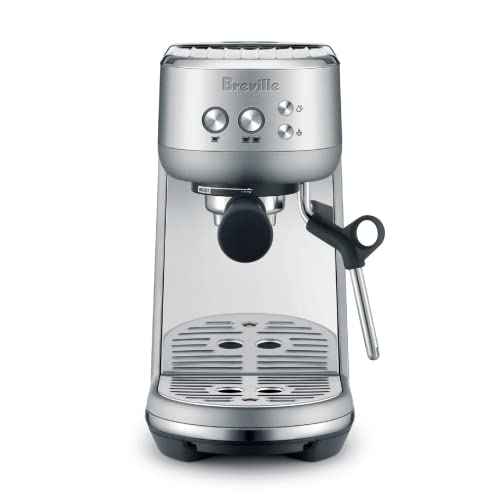
Semi-Automatic · Manual milk
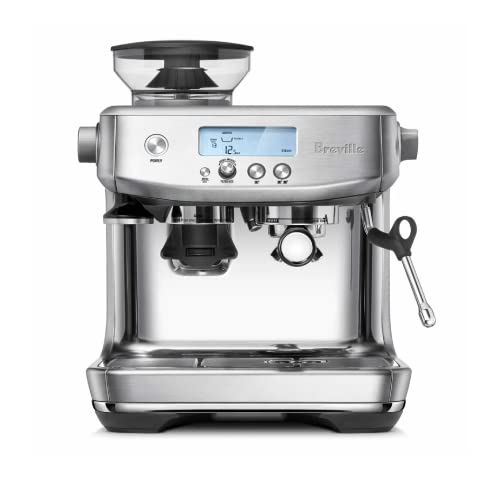
Semi-Automatic · Manual milk

Bean-to-Cup · Automatic milk
Espresso shaken hard with ice for about twenty seconds, then strained over fresh ice, usually with syrup dissolved in the hot shot and often topped with a splash of cold milk. The shaking chills the coffee fast and beats air into it, so it arrives cold with a fine foam head rather than flat and watery.
A latte is mostly steamed milk with espresso in it, served hot, with the milk textured at a steam wand. A shaken espresso is mostly coffee, served cold, with the texture created by shaking against ice and only a splash of cold milk on top. They share two ingredients and almost nothing else.
Shaking does two things stirring cannot. It drops the temperature of the shot in seconds, so the ice melts less and the drink is not watered down, and it folds air through the coffee, which gives the fine head the drink is known for.
About twenty seconds. The more reliable cue than counting is the shaker itself: stop when the outside is too cold to hold comfortably.
No. Any strong concentrate works, so a moka pot or an AeroPress pulled short will do. You do need something that seals well enough to shake, but a jar with a tight lid is enough.
The same drink with brown sugar syrup instead of plain syrup, usually finished with oat milk and sometimes cinnamon. A one-to-one brown sugar syrup made at home reproduces it exactly; the syrup goes into the hot espresso before the shake so it dissolves.
No. The milk goes in cold, straight from the fridge, poured over the finished drink. Steaming it would make a different drink entirely.
A lighter roast usually. Cold flattens sweetness and aromatics, so dark roast-forward espresso can read as bitter once it is shaken and chilled, while a lighter roast keeps its sweetness and citrus through the ice.
Sources for this page: The Italian original - espresso and simple syrup shaken with ice in a cocktail shaker, strained once a frothy consistency is reached, usually served in a martini glass: Wikipedia's Shakerato entry, read 2026-09-24 · Shaken espresso method (2 shots espresso, 60 ml milk, 6-8 ice cubes, shake about 20 seconds, strain over fresh ice, froth and pour the milk) and the blonde-roast recommendation: Starbucks at Home's own shaken espresso with milk recipe, read 2026-09-24 · Roast behaviour against cold dilution, and machine capability by model: our own published guides and review records We have not measured drinks in a lab; where volumes differ between authorities, the page names each authority rather than averaging them, and machine capabilities come from our own published review records.