

🏆 2026 Best Bean-to-Cup Machine winner
Jura Z10
Bean-to-Cup · Automatic milk · Plant milk 5/5
$3,999.00Live Amazon price · as of 10/26/2026 8:35 PM
Buy on Amazon →Home › Coffee Drinks › Latte
☕ Coffee Drinks · 2026A caffè latte is espresso under a much larger volume of steamed milk with only a thin foam layer. The ratio (sources give 1:2 to 1:4).
A caffè latte is a shot or two of espresso combined with a much larger volume of steamed milk and only a thin layer of foam — published ratios run from about 1:2 to 1:4 espresso to milk depending on the source, and the foam layer is commonly described at roughly 3–12 mm. The milk is the body of the drink; that is what separates it from a cappuccino, where a deep foam cap dominates a much smaller cup.
Unlike the cappuccino, the latte has no certified definition, and published ratios genuinely differ: some references describe one-third espresso to two-thirds milk, others one part espresso to three or four parts milk. What every source agrees on is the structure — espresso at the bottom, a lot of steamed milk, a thin foam cap — so treat the ratio as a dial, not a law. Start around 1:3 and adjust toward 1:2 if the drink tastes flat.
1. Pull the shot — a double for anything over ~10 oz of milk, or the espresso disappears. Our shot size guide covers what a double is.
2. Steam more milk, stretch it less than for a cappuccino: the target is glossy, pourable milk with fine microfoam throughout rather than a deep cap. On single-boiler machines, pull first and steam second — the wait is the architecture, not your technique.
3. Pour steadily into the shot, letting milk and espresso integrate; the thin foam arrives at the end. This pour is also where latte art happens, which is why art-focused buyers care about steam wands that produce fine microfoam.
Latte: the most milk, thinnest foam, largest cup. Cappuccino: smaller, espresso-forward, deep foam cap — the certified Italian version is 25 ml espresso to 100 ml milk, covered in our cappuccino guide. Flat white: latte-family, smaller and with especially fine microfoam. The shot underneath can be identical in all three; cup size and milk treatment define the drink.
Because the latte is mostly milk, milk quality shows more here than in any espresso-forward drink. Barista-formulation oat and soy hold texture in a latte far better than thin cartons; our reviews publish a per-machine plant-milk rating (1–5) for exactly this, and the machines below carry theirs on the card.
Shopping for the machine side? Our best latte machine guide filters the reviewed catalog to exactly the machines with milk systems worth using.
Every machine below steams milk and has a published review — cards show the steam system and, where scored, the plant-milk rating.
Bean-to-Cup · Automatic milk · Plant milk 5/5

Semi-Automatic · Automatic milk · Plant milk 5/5

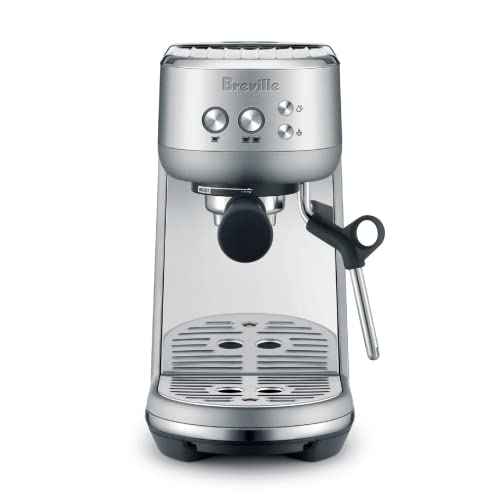
Semi-Automatic · Manual milk · Plant milk 4/5
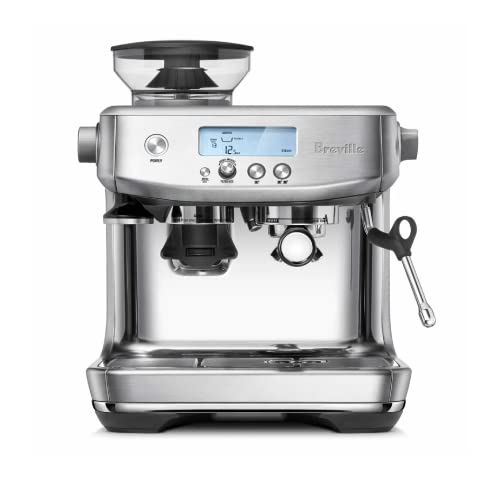
Semi-Automatic · Manual milk · Plant milk 4/5

Bean-to-Cup · Automatic milk · Plant milk 4/5
Espresso and steamed milk, with a thin layer of foam on top — no syrup unless you add one. Published ratios run from roughly 1:2 to 1:4 espresso to milk; the structure, not one fixed number, defines the drink.
Size and milk treatment. A latte is larger, mostly steamed milk with a thin foam layer; a cappuccino is small with a deep foam cap — its certified Italian definition is 25 ml espresso to 100 ml milk. The espresso itself can be identical.
Several times the espresso's volume — commonly cited between two and four parts milk per part espresso. For a 12 oz latte over a double shot, that lands around 8–10 oz of milk before foam.
Traditionally hot — steamed milk over espresso. An iced latte replaces steamed milk with cold milk over ice; it is a standard menu variant rather than a different drink family.
Yes — barista-formulation oat milks steam and pour well. Machines differ in how their milk systems handle plant milks, which is why our reviews publish a per-machine plant-milk rating.
Any espresso machine that can steam milk — a manual wand gives the most control for latte art, and one-touch bean-to-cup machines automate the milk entirely. Both types are in our reviews.
The same way this page describes: pull an espresso shot, steam milk to a light microfoam, and pour to roughly a 1:2 to 1:4 ratio depending on your cup. No cafe equipment is required beyond a machine with steam - and the best latte machine guide ranks the reviewed options if you are still choosing one.
Sources for this page: Structure and foam layer (espresso + steamed milk with a thin foam cap; ~12 mm foam figure): Wikipedia's Latte entry, corroborated by Trade Coffee's and Whole Latte Love's latte explainers, read 2026-09-02 · Ratio range (about 1:2 to 1:4 espresso to milk, varying by source): MasterClass's cappuccino-vs-latte comparison and 1Zpresso's latte-ratio guide, read 2026-09-02 — presented as a range because the sources genuinely differ · Plant-milk ratings: CoffeeLab's own documented 1–5 suitability scoring, published on our review pages We have not measured drinks in a lab; where volumes differ between authorities, the page names each authority rather than averaging them, and machine capabilities come from our own published review records.
Feedback on this page: How to Make a Latte: Ratio, Steps and Milk (2026)
Thank you. Your note is filed against this page and will be read.