

🏆 2026 Best Bean-to-Cup Machine winner
Jura Z10
Bean-to-Cup · Automatic milk
$3,999.00Live Amazon price · as of 10/26/2026 8:35 PM
Buy on Amazon →Home › Coffee Drinks › Espresso tonic
🍹 Coffee Drinks · 2026Espresso poured over iced tonic water - bitter, bright and improbably good. The 2007 Swedish origin story, the pour order that decides the drink.
An espresso tonic is exactly what it sounds like and better than it sounds: a shot of espresso poured over iced tonic water. The tonic's quinine bitterness and carbonation frame the espresso's own bitterness and acidity instead of fighting them, and the layered pour makes the prettiest drink in coffee. It was born by accident in 2007 - a barista in Oslo mixing leftover staff-party tonic with espresso - and reached menus the same year as Kaffe & Tonic at Koppi in Helsingborg, Sweden. Two ingredients, one rule: espresso goes in last.
The origin is documented and charming: in 2007 in Oslo, a barista working alongside the future founders of Sweden's Koppi Roasters mixed leftover tonic from a staff party with syrup and an espresso. Later that year Koppi opened in Helsingborg and put the refined drink on the menu as Kaffe & Tonic - three ingredients: single-origin espresso, tonic water, a splash of simple syrup. From Scandinavia it spread through barista competitions into cafes worldwide through the 2010s, and this season it is one of the fastest-rising drinks on specialty menus.
Green Plantation's recipe states the working numbers plainly: 40 g of espresso to 80 g of tonic - one double-ish shot to twice its weight in tonic - over ice in a chilled glass, lemon slice to garnish. The sequence is the technique: ice first, tonic second, espresso spooned or poured gently on top. Run it backwards and the carbonation erupts through the shot into a foamy mess - Wikipedia's entry notes the same failure mode. Poured correctly, the espresso floats as a distinct amber layer over the pale tonic; stir at the table, or drink it as it mixes.
This is the drink where bright, fruity espresso finally gets its stage: Ethiopian and Kenyan coffees - the acidic, floral end of our roast map - play with tonic's citrus edge rather than clashing, which is why the recipe sources recommend them by name. Dark, roasty shots read muddy against quinine. On tonic: the drier and more citrus-forward, the better the balance. And since the drink exposes the shot completely - no milk, no sugar unless you add it - crema and shot quality show, making this quietly one of the best machine-honesty tests in the repertoire.
The drink is only as good as the shot - every machine below is a reviewed espresso machine, ranked by its published score.
Bean-to-Cup · Automatic milk

Semi-Automatic · Automatic milk

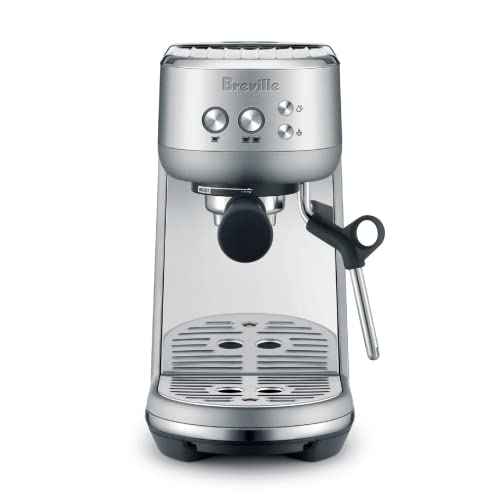
Semi-Automatic · Manual milk
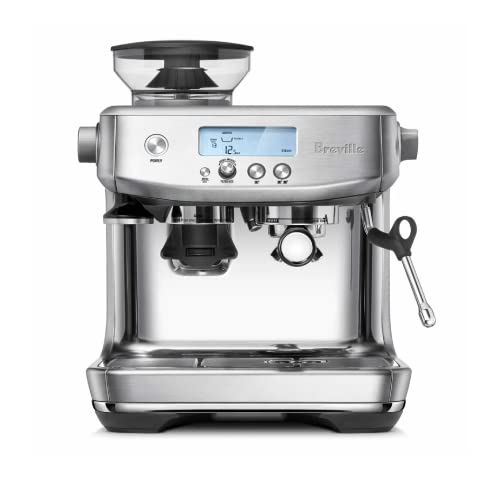
Semi-Automatic · Manual milk

A non-alcoholic drink of espresso poured over iced tonic water - typically layered, with the shot floating on the tonic. Born from a 2007 accident in Oslo and put on the menu that year as Kaffe & Tonic by Sweden's Koppi Roasters, it has since spread to specialty cafes worldwide.
A working recipe runs about 1:2 - 40 grams of espresso over 80 grams of tonic, per the source recipe this page uses - over plenty of ice. Adjust toward more tonic for a lighter, more refreshing build; a splash of simple syrup was part of the original Koppi version.
Tonic first, always: ice, then tonic, then the espresso gently on top. Pouring tonic onto espresso agitates the carbonation into a foamy overflow - the one way to ruin a two-ingredient drink. Poured correctly it layers, amber over pale.
Improbably, yes - the tonic's quinine bitterness and bubbles frame espresso's acidity the way milk frames its body, reading closer to a coffee mocktail than to iced coffee. Bright, fruity shots (Ethiopian, Kenyan) work best; dark roasts fight the quinine.
Closest substitutes: a moka pot or AeroPress concentrate over tonic makes a pleasant cousin, but without 9-bar concentration and crema the layering and intensity both soften. This is genuinely a drink that rewards the machine - any reviewed pick below covers it.
Sources for this page: Definition, the 2007 Oslo origin with Koppi's founders, the Kaffe & Tonic menu debut, layered build and the foam-over failure mode, and variations (syrup, citrus, cherry, honey): Wikipedia's Espresso and tonic entry, read 2026-09-03 · The working recipe (40 g espresso : 80 g tonic, ice-first pour order, lemon garnish) and the bright-coffee pairing guidance: Green Plantation's espresso tonic guide, read 2026-09-03 We have not measured drinks in a lab; where volumes differ between authorities, the page names each authority rather than averaging them, and machine capabilities come from our own published review records.
Feedback on this page: Espresso Tonic (2026): Recipe, Ratio and Origin
Thank you. Your note is filed against this page and will be read.