What Is Light Roast Coffee? Taste, Caffeine, Acidity and How to Brew It
Light roast coffee explained: roasted to first crack, light brown and matte, brighter and origin-driven, the caffeine myth settled, and how to brew it.
6 facts, each with a source below7 questions answered4 verified products
Light roast coffee is coffee roasted to around the first crack and stopped before the second: the beans reach roughly 196°C (385°F), come out light brown with a dry, matte surface, and keep more of the flavour of where they were grown than any darker roast. It tastes brighter and more acidic, with fruit and floral notes rather than the roasty, bittersweet character of a dark roast. The caffeine barely changes with roast level; what changes is the density of the bean, which is why a scoop of light roast holds slightly more coffee, and slightly more caffeine, than the same scoop of dark.
Roast pointAround first crack, ~196°C (385°F); stopped well before second crack at ~224°C (435°F)
Colour and surfaceLight brown, dry and matte; no oil on the bean
Names you will seeCinnamon, New England, Half City and Light City on roaster labels; Blonde on chain menus
TasteBrighter, more acidic, more origin character: fruit, florals, tea-like body
CaffeineEssentially the same per bean as darker roasts; a scoop of light roast holds slightly more because the beans are denser
Brews best asPour-over, drip and AeroPress; espresso is possible with a finer grind and a roaster that roasts for it
Where light roast sits: first crack marks its start, second crack marks the beginning of the dark range. The temperatures are the widely cited bean-temperature markers, not a measurement of any one roaster.
Look at the surface, not just the colour: a light roast is dry and matte, and a bean that has started to shine has gone past it. Photo: Alin Luna / Unsplash
What light roast actually means
Roast level is a description of how far the roaster took the bean, and the useful landmarks are two sounds. As green coffee heats it dries, yellows, then browns, and at roughly 196°C (385°F) bean temperature the beans expand and crack audibly — the first crack. Light roasts are pulled at or shortly after that point. Continue and the beans keep darkening; at roughly 224°C (435°F) they crack a second time, more quietly, and oils begin to migrate to the surface. Everything from that second crack onward is dark roast territory. Medium roasts live between the two.
That is why a light roast looks the way it does. Stopped early, the bean keeps its dry, matte surface and a light brown colour; it has also lost less of its mass, since beans shed 15 to 18 percent of their weight during roasting, mostly as water, and a shorter roast sheds less of it. The bean is denser and slightly smaller than the same coffee roasted dark. Those two physical facts, matte surface and higher density, explain most of what follows on this page, from why light roasts are harder to grind and extract to why the caffeine question has a surprising answer.
The National Coffee Association describes a light roast as light brown in colour, with a subtle roasted taste that suits milder coffees. The more useful way to put it for a buyer: in a light roast you taste the coffee, and in a dark roast you taste the roast.
Cinnamon, New England, Half City, Blonde: the names on the bag
Roasters do not share a scale, so a light roast can be labelled several ways. The traditional American names run in order of darkness: Cinnamon roast is the lightest commonly sold, pulled right at first crack; New England roast is a step darker; Light City and Half City sit at the edge where light becomes medium. City roast, despite the family resemblance in the name, is generally counted as medium, and Full City as medium-dark. Chains have added their own vocabulary — Blonde is the menu word for a light roast — and specialty roasters increasingly skip the names entirely and describe the roast in relative terms or give a roast date and a brewing recommendation instead.
Two practical rules survive the confusion. If the bag says light, blonde, cinnamon or New England, expect a matte, light-brown bean and a bright cup. If the bag gives no roast level at all but describes fruit, florals or tea and lists a single farm or washing station, it is almost certainly light: the whole point of a light roast is to preserve that origin character, and roasters who work that way tend to describe the coffee rather than the roast.
How light roast tastes, and why acidity is the point
Roasting builds flavour and destroys flavour at the same time. The Maillard reactions and caramelisation that give coffee its body, sweetness and roasty depth run further the longer the roast goes; the volatile aromatics and organic acids that carry a coffee's origin character — the difference between an Ethiopian and a Colombian — break down as it goes. A light roast keeps more of the second group at the cost of less of the first. The cup is brighter, lighter in body, more acidic, and more specific: jasmine and bergamot in a washed Ethiopian, red fruit in a natural, citrus in a Kenyan, rather than the chocolate-and-toast that most coffees converge on when roasted dark.
Acidity is the word that puts people off, and it deserves translating. In coffee tasting it means brightness and liveliness on the palate, the quality that makes a cup taste like fruit rather than like a hot beverage, not sourness and not stomach acid. A well-brewed light roast is bright and sweet; a badly brewed one is sour and thin, and the difference is almost always extraction, which the brewing section below addresses. Body is the other trade: light roasts tend toward a lighter, tea-like texture, which is either the appeal or the complaint depending on what you grew up drinking.
The surface tells you the rest. A light roast is dry; oil on a bean means it was roasted past second crack, and an oily bean sold as light roast is mislabelled. Wikipedia's roasting entry puts the origin-character point directly: at lighter roasts the coffee shows more of the flavours created by its variety, processing, altitude and growing conditions. That is what you are paying for.
Does light roast have more caffeine? The honest answer
The popular claim is that light roast has more caffeine than dark. The competing claim, older and just as popular, is that dark roast is stronger and therefore has more. Both are half right, and the whole answer is about measurement rather than chemistry.
Caffeine is heat-stable at roasting temperatures. Wikipedia's roasting entry states it plainly: "Caffeine levels are not significantly affected by the level of roast." What roasting does change is the bean itself, which loses water and expands as the roast goes on. A dark-roasted bean is bigger and lighter than the same bean roasted light. So a gram of light roast contains slightly more bean matter, and slightly more caffeine, than a gram of dark; and a scoop of light roast, being denser, weighs noticeably more than the same scoop of dark and therefore contains more caffeine again. The National Coffee Association summarises the outcome for the home brewer: "Light roasts have a slightly higher amount of caffeine." It adds that the strong, rich flavour of a dark roast is not a sign of caffeine, which is the misconception the whole debate rests on.
In practice the difference is small if you weigh your coffee and larger if you scoop it, and it is dwarfed by the things that actually decide the caffeine in your cup: how much coffee you use, how much water, and whether the bean is arabica or robusta. The milligram figures by drink and size are on our espresso caffeine guide; this page keeps to the structural point, which is that switching from dark to light to feel more awake changes the taste far more than the dose.
Light vs medium vs dark roast, side by side
Light
Medium
Dark
Roast end
At or just after first crack, ~196°C
Between the cracks, ~205–220°C
At or after second crack, ~224°C and beyond
Bean
Light brown, matte, dense, small
Medium brown, dry, moderate
Dark brown to near-black, oily, expanded, light
Taste leads with
Origin: fruit, florals, bright acidity, tea-like body
Balance: sweetness, some origin, some roast
Roast: chocolate, smoke, bittersweet, heavy body
Caffeine per bean
About the same
About the same
About the same
Caffeine per scoop
Slightly more (denser)
In between
Slightly less (lighter beans)
Forgiving to brew?
Least: needs finer grind, hotter water
Middle
Most: extracts easily, over-extracts easily too
Best for
Pour-over, drip, AeroPress; single-origin coffees
Anything; the all-purpose roast
Espresso blends, milk drinks, French press
The roast-level overview across every coffee type, with species and processing alongside it, is on our coffee types and flavours guide; this page goes deep on the light end only.
How to brew light roast so it tastes bright, not sour
Light roasts are the hardest coffees to extract well, for the same density reason that runs through this page: a denser, less porous bean gives up its solubles more reluctantly than a dark, brittle one. Brew a light roast with dark-roast settings and you under-extract it, and under-extracted light roast is the sour, thin cup that convinces people they do not like acidity. Four adjustments fix most of it.
Grind finer. One or two steps finer than you would use for a medium roast on the same brewer; our grind size chart gives the starting band for each method. Use hotter water. Light roasts reward the top of the brewing range, around 96°C (205°F), where a dark roast would turn harsh. Give it time. A longer bloom and a slightly longer total contact time pull more from the dense bean; on a pour-over that means a full 45-second bloom and a patient pour. Keep the ratio honest. A light roast does not need more coffee, it needs better extraction; the ratio calculator gives the standard dose and the point is to extract all of it.
Method matters too. Pour-over and drip flatter light roasts because a paper filter keeps the cup clean enough for the delicate aromatics to show; the pour-over guide is the place to start. The AeroPress handles them well because it lets you push temperature and time. Immersion methods with a metal filter, such as a French press, work but blur the brightness that is the roast's reason for existing; and a moka pot's stovetop temperatures tend to make a light roast taste sharp. If a light roast tastes sour, go finer and hotter before you change anything else; if it turns bitter and drying, you have overshot, and one step coarser brings it back.
Light roast espresso: possible, demanding, and increasingly common
Espresso was traditionally a medium-dark to dark roast drink, because darker beans extract easily under pressure and produce the bittersweet, heavy-bodied shot that Italian blends are built around. Specialty roasters have spent the last decade proving that light-roast espresso works, and a few now sell blends labelled exactly that: Intelligentsia's Black Cat Classic Espresso, carded below, is listed as a light roast and comes with the roaster's own brew guidance of a fine grind and a finished shot weighing 2.5 times the coffee dose.
What the roaster's ratio tells you is that light-roast espresso is brewed longer than a traditional shot, at 1:2.5 rather than the classic 1:2, precisely because the dense bean needs more water passing through it to extract fully. In practice that means a finer grind than the same machine wants for a dark blend, a brew temperature at the top of what the machine offers, and patience during dialling in; our troubleshooting guide covers what a gushing or choking shot means when you get there. Machines with adjustable brew temperature and a capable grinder make this easier; the espresso grinder guide explains why the grinder matters more than the machine for a light roast. If you want espresso that tastes like fruit rather than chocolate, this is the road; if you want the classic Italian cup, a medium or medium-dark blend from the espresso beans guide gets there with far less effort.
Buying light roast: what to look for on the bag
Three things matter more than the roast name. A roast date. Light roasts show their age faster than dark ones because the aromatics that make them interesting are the first to fade; a printed roast date, rather than a best-before date, is the single strongest signal that a roaster takes the coffee seriously, and our roaster guide explains how to read one. An origin. A named country at minimum, a region or washing station at best, because origin character is what a light roast preserves and a blend of unnamed coffees has less of it to preserve. Whole bean. Pre-ground light roast loses its brightness within days; if you have no grinder, buy the smallest bag you can and use it fast, and put a grinder on the list — the grinder guide covers the entry level.
The bags below are the light roasts in our verified catalog: two whole-bean single origins and blends that lead with origin character, one light-roast espresso blend, and one pre-ground option for the grinderless. Every product fact on the cards is the listing's own statement, because we have not cupped these coffees and will not pretend otherwise. The bag that leads our Best Coffee Beans award is a medium-dark roast, which says something honest about the category: light roast is the specialty enthusiast's default, not everyone's, and the right roast is the one you will drink every morning.
Verified products for this page
ℹ️
Affiliate disclosure: CoffeeLabAdvisor is an Amazon Associate and may earn a commission from these links, at no extra cost to you. Commissions play no part in what appears here — every product traces to a verified catalog entry or a published review.
The light roasts we hold verified records for: each card's product facts are the listing's own words, checked against the live Amazon listing on the catalog read date. Two are on our ten-bag roster; none of this is a tasting.
Light roast
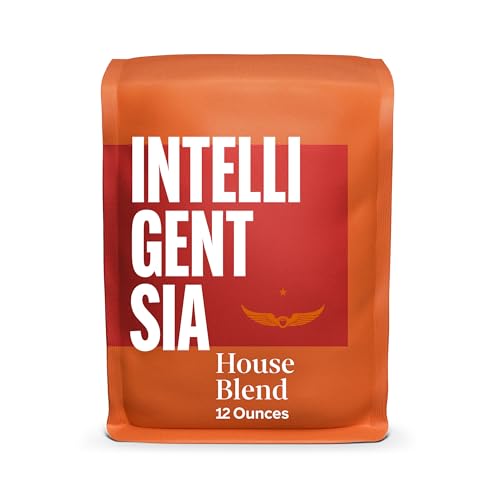
Intelligentsia
House Blend
$14.27Live Amazon price · as of 10/26/2026 9:08 PM
The light-roast demonstration: the brightness and origin clarity the roast section describes, from the bag with the strongest tested cup record on our roster. Listing states light roast, 12 oz whole bean, with caramel and red apple named in its own roast description.
$16.99Live Amazon price · as of 10/26/2026 8:18 PM
The processing table in a cup: a naturally processed Ethiopian to hold against any washed coffee you already drink, one variable at a time. Listing states organic Ethiopian natural, light roast, 100% single-origin arabica, 12 oz whole bean.
$14.27Live Amazon price · as of 10/26/2026 9:59 PM
The counter-example to dark-roast espresso: a specialty espresso blend the listing labels light roast, with a published brew ratio. Listing states a light roast whole bean espresso blend, Direct Trade sourced, with a fine grind recommended for espresso and a finished shot weighing 2.5 times the coffee dose, in a 12 oz bag.
$15.44Live Amazon price · as of 10/26/2026 8:18 PM
A light roast that arrives ground, for the drip or pour-over drinker without a grinder. Listing states a light roast ground coffee, certified organic and sustainably sourced 100% arabica, with red currant acidity and a honey body named in its own tasting notes, in a 10 oz bag.
Coffee roasted to around the first crack, at roughly 196°C (385°F) bean temperature, and stopped before the second crack. The beans come out light brown with a dry, matte surface and keep more of the flavour of where they were grown: brighter, more acidic, with fruit and floral notes rather than the roasty, bittersweet character of a dark roast.
Does light roast coffee have more caffeine?
Slightly, and only because of density. Caffeine is heat-stable, so the caffeine per bean barely changes with roast; but a light-roasted bean is denser and smaller than the same bean roasted dark, so a gram of light roast holds a little more caffeine and a scoop of it noticeably more. The National Coffee Association puts it as light roasts having a slightly higher amount.
Is light roast coffee stronger?
It tastes brighter and more acidic, not stronger. Strength in the everyday sense comes from how much coffee you use per cup, not the roast. Dark roasts taste bolder and heavier because of roast flavours, which is exactly the misconception behind the caffeine myth: a rich, roasty taste is not a sign of more caffeine.
Why does my light roast taste sour?
Almost always under-extraction. Light roasts are dense and give up their solubles reluctantly, so dark-roast settings leave them sour and thin. Grind one or two steps finer, brew with water near 96°C (205°F), bloom longer and give the brew more contact time. If it turns bitter and drying you have overshot; one step coarser brings it back.
What is the best way to brew light roast coffee?
Pour-over, drip and the AeroPress, in that order for most people: a paper filter keeps the cup clean enough for the delicate aromatics to show, and all three let you push grind, temperature and time. French press works but blurs the brightness through its metal filter, and a moka pot's stovetop heat tends to make a light roast taste sharp.
Can you make espresso with light roast coffee?
Yes, and specialty roasters sell blends made for it, but it is the most demanding espresso there is. Expect a finer grind, the hottest brew temperature your machine offers and a longer ratio: Intelligentsia's light-roast Black Cat lists a finished shot at 2.5 times the coffee dose. The classic Italian cup is a medium or medium-dark blend and far easier to dial in.
What is the difference between light roast and blonde roast?
Blonde is the menu name a coffee chain gave to its light roast; on a roaster's bag the same range is called cinnamon, New England, Half City or simply light. All describe coffee stopped at or just after first crack with a matte, light-brown bean. The names differ more than the coffee does.
Sources for this page:
Roast landmarks (first crack ~196°C / 385°F, second crack ~224°C / 435°F), roast-name temperatures (Cinnamon, New England, City, Full City, Vienna, French, Italian), 15–18% mass loss, origin character at lighter roasts, and the caffeine sentence quoted above: Wikipedia's Coffee roasting entry, read 2026-09-07 · Roast descriptions (light brown, subtle roasted taste; dark roasts oily and bitter), the Light City / Half City / Cinnamon names, and the caffeine sentence quoted above: the National Coffee Association's roast guide at aboutcoffee.org/beans/roasts, read 2026-09-07 · Density and by-weight vs by-scoop caffeine reasoning: the roasting entry above, corroborated by roaster explainers (Bellwood Coffee, Valor Coffee) read 2026-09-07 — presented as reasoning from the mass-loss figure, not as a measurement of ours · Light-roast espresso ratio (fine grind, shot at 2.5× the dose): Intelligentsia's own brew guidance on the verified Black Cat Classic Espresso listing B0055ZRUOO, read on Amazon 2026-09-07 · Product facts on every card: each bag's own Amazon listing, read 2026-09-07 We have not lab-tested brewers; where a figure is a manufacturer's, the page names the manufacturer, and machine capabilities come from our own published review records.