

🏆 2026 Best Bean-to-Cup Machine winner
Jura Z10
Bean-to-Cup · Automatic milk · Plant milk 5/5
$3,999.00Live Amazon price · as of 10/26/2026 8:35 PM
Buy on Amazon →Home › Coffee Drinks › Cortado
☕ Coffee Drinks · 2026A cortado is espresso cut with a roughly equal amount of steamed milk — around 4 oz in total, minimal foam, often served in a Gibraltar glass.
A cortado is a Spanish espresso drink: a shot cut with a roughly equal amount of warm, steamed milk. The name is the past participle of the Spanish verb cortar — to cut — and cutting is exactly what the milk does, softening the espresso's intensity and acidity without burying it. The milk is steamed flat, with little to no foam, which separates the cortado from every Italian-style milk drink on the menu.
In Spain, where the cortado is served everywhere, the recipe is proportion rather than volume: espresso and warm milk in roughly equal measure. Wikipedia's entry describes the purpose plainly — the milk is there to reduce the acidity — and specifies that it is steamed but not frothy, distinguishing the cortado from Italian drinks built around foam. Trade Coffee's guide puts the finished drink at around four to five ounces: a double shot topped with a few ounces of steamed milk, and suggests roughly a 2:1 milk-to-espresso pour as a starting point at home.
The result sits in a precise gap on the menu: milk is a real ingredient, not a garnish — but there is little enough of it that the espresso still leads every sip.
Three small, espresso-forward milk drinks, separated by how much milk and what texture.
A traditional macchiato takes only a spoonful of foam — milk as garnish. The cortado takes roughly equal steamed milk with almost no foam — milk as an equal partner. A flat white goes further, at 1 part espresso to 2–3 parts microfoam-textured milk in a slightly larger cup. Trade Coffee places the cortado exactly where the ratios predict: less coffee-forward than a macchiato, more coffee-forward than a cappuccino — and notes that some shops pour macchiatos and cortados at the same size, distinguishing them by foam alone.
Order a Gibraltar in an American specialty café and you get a cortado by another name. The variant grew out of San Francisco, where roasters — Blue Bottle and Ritual among them — began serving cortados in the 135 ml Gibraltar glass made by the Ohio glassmaker Libbey. Wikipedia's entry records the typical build for that glass: roughly 60 ml of double espresso topped with about 75 ml of steamed milk. The glass gave the drink a second name as it spread east; the recipe underneath is the cortado's.
The drink travels under several names. Catalan menus list the tallat, Basque ones the ebaki, Portuguese cafés pour the pingado or garoto — all local words for the same cut-with-milk idea. The variation with its own recipe is the Cuban cortadito: espresso cut with milk and sweetened — traditionally with condensed milk or the whipped sugar espumita. That one is different enough to earn its own page: our Cuban coffee guide covers the cafecito, cortadito and colada in full.
Pull a double shot into a small glass — anything in the 4–5 oz range works, Gibraltar or not. Steam an equal few ounces of milk with as little air as you can manage: the target is hot, flat, glossy milk, not foam. Pour it straight through the shot and serve. The hard part is honest to name — steaming this little milk well is fiddly on machines with large wands, and automatic milk systems tend to produce more foam than the drink wants, so spoon-hold the foam back or use their lowest-foam setting.
Because the milk is flat and the volume small, the cortado hides nothing: a sour or bitter shot comes straight through. Our shot size guide covers the double shot underneath it.
A cortado needs espresso plus a small pour of flat steamed milk, so the machines below all carry a steam system — each has a published review, and the steam type is named on its card.
Bean-to-Cup · Automatic milk · Plant milk 5/5

Semi-Automatic · Automatic milk · Plant milk 5/5

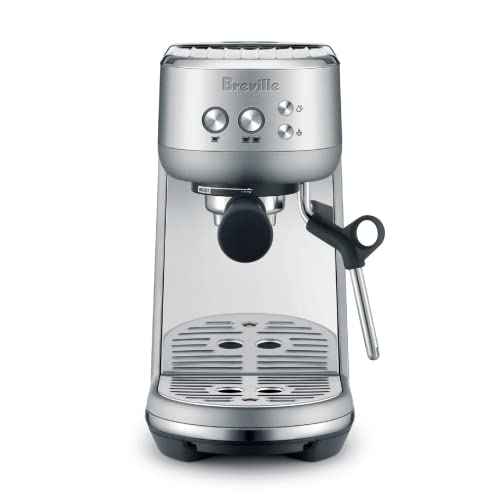
Semi-Automatic · Manual milk · Plant milk 4/5
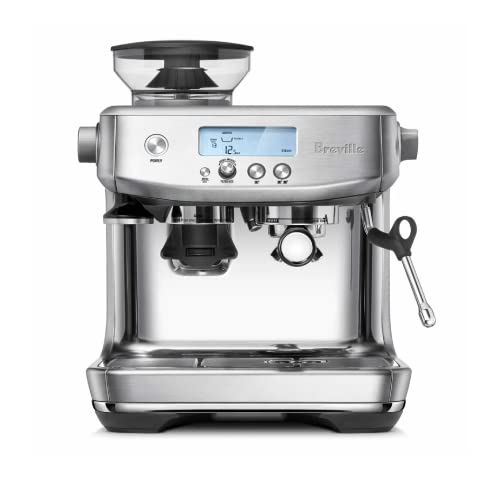
Semi-Automatic · Manual milk · Plant milk 4/5

Bean-to-Cup · Automatic milk · Plant milk 4/5
A Spanish espresso drink: a shot cut with a roughly equal amount of warm, steamed milk, served small — around 4–5 oz — with little to no foam. The milk softens the espresso's intensity and acidity without burying the coffee.
It comes from the Spanish verb cortar, to cut: the milk cuts the espresso. The same idea travels as the Catalan tallat, the Basque ebaki, and the Portuguese pingado or garoto.
Effectively yes. The Gibraltar is the San Francisco name for a cortado served in Libbey's ~135 ml Gibraltar glass — a habit that started with Bay Area roasters and spread. Same ratio, different glassware.
Roughly as much as the espresso. Wikipedia describes equal parts; Trade Coffee suggests about a 2:1 milk-to-espresso pour on a double shot as a home starting point. Either way it is a few ounces — far less than a latte.
Ratio and texture. A cortado is near 1:1 espresso to flat, unfoamed milk in a ~4 oz glass; a flat white runs 1:2–1:3 with milk textured into microfoam, in a slightly larger cup. The cortado is the more espresso-forward of the two.
Sources for this page: Definition (espresso with a roughly equal amount of warm milk to reduce acidity), etymology (past participle of cortar, to dilute), milk steamed not frothy, the Gibraltar variant (135 ml Libbey glass, ~60 ml espresso + ~75 ml milk, Blue Bottle/Ritual) and the tallat/ebaki/pingado/garoto/cortadito names: Wikipedia's Cortado entry, read 2026-09-02 · Size (4–5 oz, double shot plus a few ounces of steamed milk), the 2:1 home starting ratio, Gibraltar glassware by Libbey, and the coffee-forwardness comparison vs macchiato and cappuccino: Trade Coffee's cortado education page, read 2026-09-02 We have not measured drinks in a lab; where volumes differ between authorities, the page names each authority rather than averaging them, and machine capabilities come from our own published review records.
Feedback on this page: What Is a Cortado? The Half-Espresso, Half-Milk Drink (2026)
Thank you. Your note is filed against this page and will be read.