

🏆 2026 Best Bean-to-Cup Machine winner
Jura Z10
Bean-to-Cup · Automatic milk
$3,999.00Live Amazon price · as of 10/26/2026 8:35 PM
Buy on Amazon →Home › Coffee Drinks › Cuban coffee
🇨🇺 Coffee Drinks · 2026Cuban coffee — café cubano, or cafecito — is espresso-style coffee sweetened by whipping sugar with the first drops of the brew into espumita.
A cafecito (café cubano) is a small, intensely sweet espresso-style coffee defined by its espumita — a pale foam made by whipping sugar vigorously with the first, strongest drops of the brew, then pouring the rest of the coffee over it. Traditionally it is brewed in a moka pot, so no espresso machine is required, though a machine's shot works the same way.
What separates a cafecito from sweetened espresso is when and how the sugar goes in. Sugar sits in a cup; the first few drops of brew — the strongest, most concentrated part — are whipped into it hard until it turns into a pale, thick foam. The remaining coffee is then poured over, lifting the espumita to the top. Stirring sugar into a finished shot produces sweet espresso; whipping it into the first drops produces a cafecito.
Shopping for the setup itself? Our Cuban espresso machine guide covers the verified moka pots and when a real machine earns its place.
The traditional vessel is the stovetop moka pot, which is why this drink needs no espresso machine at all. Load the moka pot with a dark, espresso-style grind (our grind chart covers the moka band), and as the first drops emerge, spoon them onto a tablespoon or two of sugar and whip. On an espresso machine, use the first seconds of a normal shot the same way — the machine changes nothing about the method.
Cortadito: a cafecito cut with a small amount of steamed milk. Colada: a larger serving of the same drink in a styrofoam cup with small thimble cups alongside — built for sharing, not for one person. Ask for a cafecito and you get the small sweet shot; the espumita should be visible on top in every case.
Any espresso machine's shot works for a cafecito — the machines below all have published reviews — and the traditional moka pot needs no machine at all.
Bean-to-Cup · Automatic milk

Semi-Automatic · Automatic milk

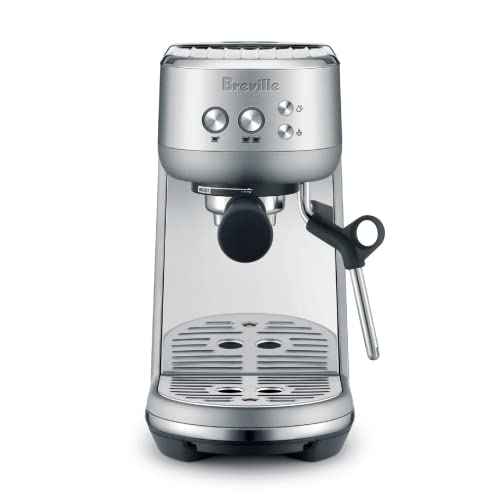
Semi-Automatic · Manual milk
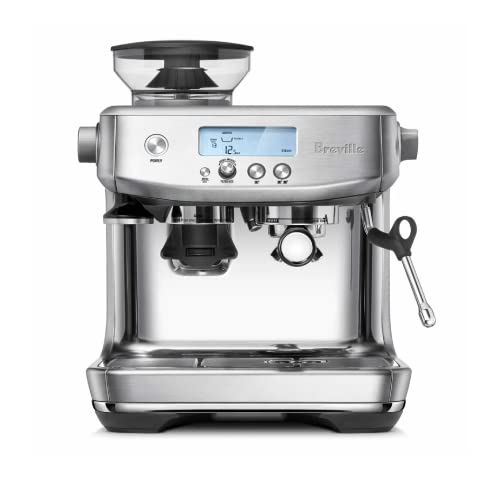
Semi-Automatic · Manual milk

Espresso-style coffee sweetened by whipping sugar with the first drops of the brew into a pale foam called espumita, then pouring the rest of the coffee over it. Small, strong and sweet by definition — traditionally brewed in a moka pot.
The pale, sweet foam that defines the drink: sugar whipped vigorously with the first and strongest drops of the brew until it lightens and thickens. It rises to the top when the remaining coffee is poured over.
No — the traditional method uses a stovetop moka pot. An espresso machine works identically: whip the first seconds of the shot into the sugar and pour the rest over.
Milk. A cafecito is the sweet shot itself; a cortadito is the same drink cut with a small amount of steamed milk.
The same drink in a larger, shared format: one big cup accompanied by small thimble cups. It is meant to be poured out among several people, not drunk alone.
Sources for this page: Definition, espumita method and moka-pot tradition: Wikipedia's Cuban espresso entry and the University of Miami's 'Cafecito 101', read 2026-09-02 · Cortadito and colada variants: Wikipedia's Cortadito entry and Volcanica's café cubano guide, read 2026-09-02 We have not measured drinks in a lab; where volumes differ between authorities, the page names each authority rather than averaging them, and machine capabilities come from our own published review records.
Feedback on this page: What Is Cuban Coffee? Cafecito and Espumita (2026)
Thank you. Your note is filed against this page and will be read.