8 facts, each with a source below5 questions answered5 verified products
Concentrate is coffee brewed strong on purpose, and it expects to be diluted before you drink it. The usual starting point is one part concentrate to one or two parts water or milk, over ice. This is the single most common mistake in the category: a concentrate bottle and a ready-to-drink bottle sit next to each other on the same shelf, look almost identical, and only one of them is meant to be poured neat. Pouring concentrate straight into a glass is why people conclude that cold brew is undrinkably strong or bitter — they have effectively drunk a triple. The reward for getting it right is arithmetic: one bottle of concentrate makes several drinks, so it almost always costs less per cup than the ready-to-drink bottle beside it.
Two bottles that look alike on the shelf. One makes several glasses, the other makes one or two.
What concentrate actually is
Concentrate is normal coffee brewed at a much higher coffee-to-water ratio than you would drink. Most of it is cold brew, because long cold steeping is a convenient way to get a strong extraction without the bitterness that over-brewing hot coffee produces.
Our cold brew guide brews concentrate in the range of 1:5 to 1:8 coffee to water, against the roughly 1:16 you would use for a hot filter cup. That is somewhere between two and three times the strength, which is why the dilution step is not optional.
The format exists for two practical reasons. It stores a lot of coffee in a small bottle, and because it is strong and cold it keeps far better than brewed coffee does. That combination is what makes it a weekday product.
This page is about the bottle and what to do with it. If you want to make it, that is the cold brew guide, and it is the page that owns the method.
How much to dilute it
Start at one part concentrate to one part water, taste it, and go from there. Many people settle around one to two, and with milk rather than water most people end up wanting less dilution rather than more, because milk softens the coffee as well as thinning it.
Two things worth knowing before you measure:
Makers disagree, so read the bottle. Dilution guidance is printed on most of them and it varies by how strongly that particular product was brewed. A bottle telling you 1:3 is not wrong; it is stronger than the one telling you 1:1.
Ice counts as dilution. If you are building over a full glass of ice, that ice becomes water within a few minutes. Dilute slightly less than you think, and let the glass finish the job.
For a hot cup, dilute with hot water rather than microwaving the concentrate. It is the same drink, and heating a concentrate directly tends to bring out a scorched note.
Concentrate versus ready-to-drink
These are the two bottle types on the shelf, and telling them apart is the whole skill.
Ready to drink is already at drinking strength. You pour it into a glass and that is the drink. It is the more expensive way to buy cold coffee per cup, and it is the more convenient one, and both of those things are true at once.
Concentrate is the same coffee with the water left out. One bottle becomes several glasses, so the price on the shelf is misleading until you divide it by servings.
The reliable tell is the word concentrate on the label, usually near the brand name, sometimes only in the serving instructions on the back. If a bottle gives a dilution ratio anywhere on it, it is a concentrate. If it gives a serving size close to the bottle size, it is not.
The cards below include both kinds deliberately, with live prices, so the per-cup comparison is one you can do yourself rather than one we assert.
How long it keeps
This is the practical advantage over brewed coffee, and it is worth being careful about the claim.
An unopened bottle keeps to the date printed on it. Once opened, makers generally give a window measured in days to a couple of weeks refrigerated, and that window differs between products, so the bottle in your fridge is the authority rather than any general rule.
What we can say without qualification is the comparison: concentrate keeps substantially better than brewed coffee, which flattens within a day. Being cold, strong and sealed all work in its favour.
Dilute per glass rather than diluting the whole bottle at once. Once you add water you have made ordinary-strength coffee, and it starts behaving like ordinary-strength coffee.
What to do with it besides iced coffee
Concentrate is a base rather than a finished drink, which is most of its appeal.
Iced latte, the shortcut version. Concentrate over ice topped with cold milk gets you close to the drink without an espresso machine. It is not the same as a proper iced latte, which is built on espresso, but on a weekday it is the version most people actually make.
Under cold foam. A layer of cold foam over diluted concentrate is the cafe drink that needs no machine at all.
Hot. Diluted with hot water it makes a perfectly good hot cup, which is worth remembering in winter when a bottle is sitting unused.
What it does not replace is hot-brewed iced coffee. Cold extraction gives you a heavier, rounder, lower-acid cup; brewing hot onto ice keeps the bright aromatics. Different drinks, and worth having both methods available.
Where this page stops
Every product fact on the cards is its listing's own statement, read on the date shown. The 1:5 to 1:8 brewing range is the figure already published and sourced on our own cold brew guide rather than a new measurement.
We have deliberately not published a single shelf-life figure for opened concentrate. Makers differ, the products differ, and a number invented for tidiness would be the kind of claim this site does not make. The bottle tells you; we are telling you to read it.
Verified products for this page
ℹ️Affiliate disclosure: CoffeeLabAdvisor is an Amazon Associate and may earn a commission from these links, at no extra cost to you. Commissions play no part in what appears here — every product traces to a verified catalog entry or a published review.
Two concentrates and two ready-to-drink bottles, so the difference is visible rather than described. Each product fact is its listing's own statement, and the live price on each card is what makes the per-cup comparison checkable.
Coffee concentrate
Starbucks
Cold Brew Coffee Concentrate, Signature Black, 32 fl oz
$9.59Live Amazon price · as of 09/22/2026 12:02 AM
The concentrate most supermarkets carry, and the reference point here. Listing states a cold brew coffee concentrate in Signature Black, in a 32 fl oz bottle.
$6.49Live Amazon price · as of 09/22/2026 12:02 AM
An organic concentrate, for the certified shelf. Listing states an organic unsweetened espresso blend cold brew described as having twice the caffeine.
$4.49Live Amazon price · as of 09/22/2026 12:02 AM
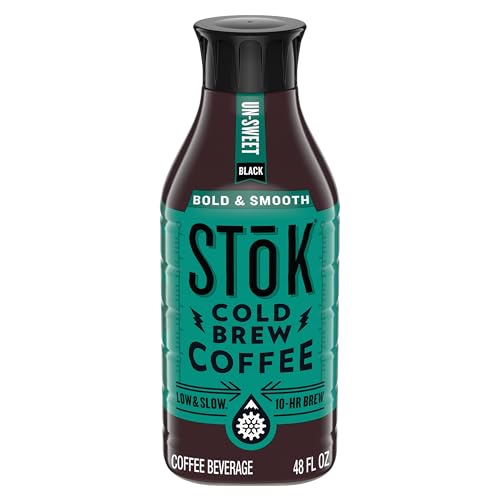
Ready to drink, not concentrate. Pour and go, and it costs more per cup. Listing states an unsweetened bold and smooth cold brew coffee with 125 mg caffeine, in a 48 fl oz bottle.
Start at one part concentrate to one part water, taste, and adjust; many people settle near one to two. With milk rather than water most people want less dilution, because milk softens as well as thins. Read the bottle first, since makers brew to different strengths and print different ratios. And remember that ice becomes water, so over a full glass of ice you can dilute slightly less.
What is the difference between cold brew concentrate and ready-to-drink?
Concentrate is brewed strong and expects water or milk added; ready-to-drink is already at drinking strength and is poured as it is. One bottle of concentrate makes several glasses, so it is usually cheaper per cup despite a similar shelf price. The reliable tell is the word concentrate on the label, or any printed dilution ratio, which a ready-to-drink bottle will not carry.
Can you drink coffee concentrate straight?
You can, but it is not meant to be drunk that way and it is why people conclude cold brew is too strong or bitter. Concentrate is brewed at roughly 1:5 to 1:8 coffee to water against about 1:16 for a filter cup, so a neat glass is two to three times a normal coffee. Dilute it, or at minimum pour it over a full glass of ice and give the ice time.
How long does coffee concentrate last once opened?
Longer than brewed coffee, which flattens within a day, but the exact window varies by product and is printed on the bottle. Makers generally give something between several days and a couple of weeks refrigerated. Keep it sealed and cold, and dilute per glass rather than diluting the whole bottle, because once water is added it behaves like ordinary-strength coffee again.
Is coffee concentrate cheaper than buying iced coffee?
Per cup, almost always, because you are not paying to ship water. The comparison to make is price divided by servings rather than price on the shelf: a concentrate bottle makes several drinks and a ready-to-drink bottle of similar size makes one or two. The cards on this page carry live prices so you can run that sum on today's numbers rather than ours.
Sources for this page:
Cold brew figures reused here (the 1:5 to 1:8 concentrate range and the 12 to 18 hour steep): already published and sourced on our own how-to-make-cold-brew-coffee guide · Product facts are each listing's own statement, read on 2026-09-12. Prices are fetched live, never written into prose. · Not claimed here: a single shelf-life figure for opened concentrate. Makers differ and the bottle is the authority. We have not lab-tested brewers; where a figure is a manufacturer's, the page names the manufacturer, and machine capabilities come from our own published review records.