Home › Coffees of the World › Costa Rica
 Central America · Coffees of the World
Costa Rican coffee: what it tastes like, and what to try
What Costa Rican coffee tastes like, the growing regions to look for on the bag, and 4 bags whose listing documents where the coffee came from.
Written and reviewed by the CoffeeLabAdvisor editorial team
5 growing regions
4 bags whose listing names where it came from
2 verified roasters publish this origin
What Costa Rican coffee is known for
Known for“Arabica coffee with medium body and sharp acidity, often described as having perfect balance.”
Why it grows here“A dry season from November to April and a rainy season from May to October.”
Both lines are quoted from the National Coffee Association — Coffee Regions of the World, read 2026-09-21. Origin is a starting point, not a guarantee of flavour: characteristics vary by region, producer, variety, processing and roast, and we have not tasted the coffees on this page.
Costa Rican coffee growing regions to look for on the bag
A bag that names one of these is telling you more than a bag that names only the country.
- Tarrazú
- Tres Ríos
- Naranjo
- West Valley
- Central Valley
Coffees to try from Costa Rica
What this shelf looks like. Costa Rican listings name Tarrazu more than anywhere else, with Tres Rios, Naranjo and the slopes of the Poas volcano behind it, and a few name the estate. The country is also unusual in growing only arabica, which is why the shelf has no robusta bargains on it.
Each of these is here for one reason: its own listing documents where the coffee came from — a named region, producer, cooperative or lot, not just the country. We have not tasted them and we do not score them.

Good As Gold Coffee Roasters
Costa Rica Tarrazu, Medium Roast
$16.99Live Amazon price · as of 09/22/2026 7:59 PM
Listing states: Costa Rica; Tarrazu; medium roast; small-batch roasted.
Find it on Amazon →Affiliate link — we may earn a commission at no extra cost to you, and it plays no part in what is listed.

Volcanica Coffee
Costa Rica Peaberry, La Isabela Estate, Medium Roast
$25.00Live Amazon price · as of 09/22/2026 7:59 PM
Listing states: Costa Rica; Tres Rios; La Isabela Estate; single origin; peaberry; shade grown.
Find it on Amazon →Affiliate link — we may earn a commission at no extra cost to you, and it plays no part in what is listed.
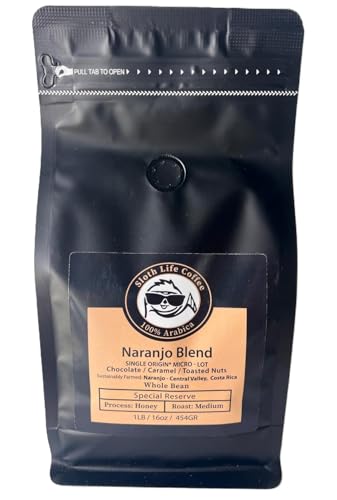
Sloth Life Coffee
Costa Rica Naranjo, Medium Roast
$23.50Live Amazon price · as of 09/22/2026 7:59 PM
Listing states: Costa Rica; Naranjo; single origin; micro-mill; honey-processed; high altitude.
Find it on Amazon →Affiliate link — we may earn a commission at no extra cost to you, and it plays no part in what is listed.
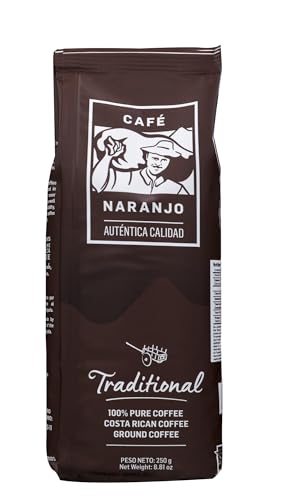
Cafe Naranjo
Costa Rican Coffee, Ground, 250 g
$13.99Live Amazon price · as of 09/22/2026 7:59 PM
Listing states: Costa Rica; slopes of the Poas Volcano; western Central Valley; ground, not whole bean.
Find it on Amazon →Affiliate link — we may earn a commission at no extra cost to you, and it plays no part in what is listed.
Roasters who publish Costa Rica as an origin
From our verified roaster directory: independent U.S. roasters whose own site names a specific Costa Rica origin. Buying direct is the shortest route to a roast date.
-
Vigilante Coffee
Washington · publishes farm/producer-level origin
Visit roaster →
-
Gaslight Coffee Roasters
Chicago · publishes region-level origin
Visit roaster →
Questions about Costa Rican coffee
What does Costa Rican coffee taste like?
The National Coffee Association describes this origin as: "Arabica coffee with medium body and sharp acidity, often described as having perfect balance." Origin is a starting point, not a guarantee: characteristics vary by region, producer, variety, processing and roast, so two bags from the same country can taste very different.
Which Costa Rican coffee growing regions should I look for on the bag?
The regions this origin is known for are Tarrazú, Tres Ríos, Naranjo, West Valley, Central Valley. A bag that names one of them is telling you more than a bag that names only the country.
How do you choose which Costa Rican coffees to list?
One published test: the listing itself has to document where the coffee came from — a named region, producer, cooperative or lot — and be a current, new listing. We have not tasted these coffees and we do not score them; a listing that names only the country does not qualify, however well it sells.
Why does coffee grow well in Costa Rica?
The National Coffee Association describes the growing conditions as: "A dry season from November to April and a rainy season from May to October."